
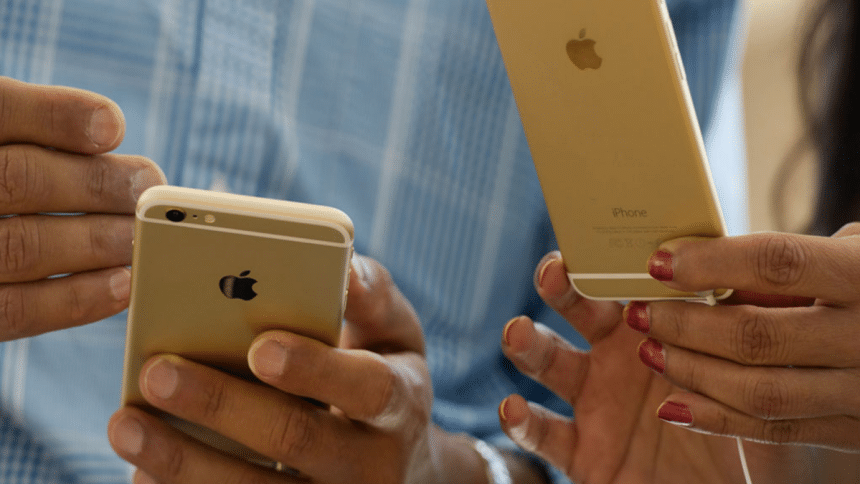
Apple is known for touting its green efforts in terms of recycling old devices. It even has a robot named Liam that can take apart a broken iPhone and separate the various parts from each other, including potentially dangerous lithium batteries.
This approach is better than letting the precious metals and finely-wrought technology in older devices just sit in drawers or landfills. It is not, however, the best solution.
Programs like “Apple Trade-In” and the Daisy robot help recycle components efficiently, lowering emissions linked to production. By trading in old devices, consumers contribute to reducing the environmental impact of each device, while receiving credit towards the purchase of new Apple products.
In the long-term, this could make it possible to operate a global economy with fossil fuels, despite the climate change risks they pose. This may help ease political deadlocks over policies that limit the use of carbon. This group of customers is willing to pay a premium for sustainability, providing a valuable opportunity to build brands and boost revenue.
Arbor’s streamlined suite of tools helps you identify and prioritize your emissions control efforts, while providing accuracy in the data that informs them. From analyzing your energy usage to exploring alternatives for transporting your products, our carbon management tools can give you the information you need to make impactful, data-driven decisions and drive meaningful change.
Recovering Valuable Materials
The recycling program not only saves energy by reducing the demand for new materials, it also reduces the amount of potentially hazardous waste that ends up in landfills or mines. It aims to make sure that valuable metals (like the rare earth minerals used in iPhone magnets) don’t get tossed with other junk and sold off for scrap, where they could end up being used in things like toys or smelters.
To do that, Apple developed Daisy, its latest disassembly robot that builds on the learning from Liam. The new machine can take apart more than 200 iPhones an hour and remove and sort their high-quality components for reuse.
That allows Apple to use recycled and renewable materials that would otherwise end up as slag or contaminated with dangerous metals, says Jackson. It also supports its goal of using 100% recycled cobalt and lithium for iPhone batteries by 2025. The company’s commitment to sustainability is reflected in product design as well, such as making devices that are more durable and easier to repair, which cuts down on material consumption.
Decreased Need for New Raw Materials
Apple has been aggressively working to reduce e-waste in its supply chain. They encourage users to upgrade or trade-in their hardware, and recondition and reuse old products rather than discarding them and starting fresh with new devices. However, Apple has also been accused of imposing strict standards on recycling firms and forcing them to shred devices instead of allowing the reuse of components like camera modules or chips.
This translates to lower demand for raw materials that are energy-intensive to extract and process. Apple is using recycled aluminum in the enclosures of its MacBook computers, for example, and is moving to renewable or low-carbon power for production facilities.
Apple is also reducing the need for other precious or rare metals, including cobalt and lithium. The latest iPhone uses 100% recycled cobalt in the Taptic Engine, and Apple is working to increase its use of renewable and recycled materials overall. These efforts, combined with the company’s use of renewable energy and reducing greenhouse gas emissions from production, contribute to a significantly reduced carbon footprint.
Lower Emissions Linked to Production
Apple makes great efforts to reduce the carbon footprint of its products. It prioritizes energy reduction at its corporate and supplier facilities, and it offers its customers a chance to trade in their iPhone or recycle them for free.
However, production still accounts for the lion’s share of the iPhone’s environmental impact. This is due to the fact that mining and manufacturing are very resource-intensive processes that produce a lot of pollution.
According to the company’s 2024 Environmental Progress Report, lower energy use and the use of sustainable materials have reduced the product’s greenhouse gas emissions by around 20%. This includes a transition to low-carbon electricity and the use of more recycled cobalt and lithium, both critical for clean energy.
Furthermore, Apple is also addressing emissions from its supply chain by encouraging its suppliers to adopt renewable energy and buy high-quality carbon credits. This is a key step towards its goal of carbon neutrality by 2030.
Consumers Contribute
When a phone is no longer being used, consumers can trade it in for another device. This allows phones to remain in use longer, reducing the number of devices that need to be produced and recycled. This keeps valuable materials in use and reduces waste streams.
In addition to recycling, Apple is working to reduce its overall environmental impact. It has transitioned to 100% renewable energy for its offices, stores, and data centers worldwide. And it is helping suppliers reduce emissions through its Supplier Clean Energy Program and by encouraging them to prioritize energy efficiency.
Apple is also addressing its carbon footprint by purchasing high-quality carbon credits from nature-based projects that remove greenhouse gases from the atmosphere, such as reforestation and ecosystem restoration. This strategy will help the company reach its target of a carbon neutral supply chain by 2030. The latest iPhone lineup has over 30% recycled content, and the 2023 Product Environmental Report also highlighted progress in Apple’s recycling innovation efforts and commitment to responsible sourcing of raw materials.