
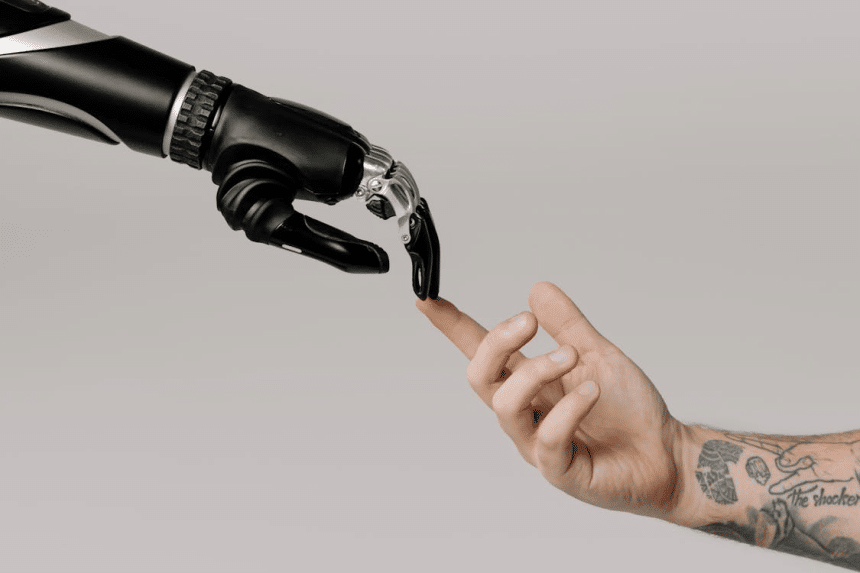
When people think about artificial intelligence, they often picture big data dashboards, futuristic robots, or complex algorithms crunching away in the background. What usually gets less attention is how AI quietly handles small, everyday tasks that make work smoother. From sending reminders to booking appointments, automation is creeping into places we barely notice, yet it makes a big difference.
In fact, some of the best examples come from healthcare. Offices use dental AI to manage bookings, answer questions, and keep communication simple. These same ideas can apply outside the clinic. Imagine support desks, repair shops, or even community centers running more smoothly because smart assistants handle the repetitive stuff. It frees people up for what they actually want to do: connect, solve problems, and get results.
Photo by cottonbro studio
Why the “Front Desk” Matters Everywhere
Think about the last time you called a support line or tried to schedule a service. You probably wanted it to be quick, clear, and accurate. The “front desk,” whether physical or digital, sets the tone for the whole experience. If it’s clunky or slow, frustration grows. If it’s smooth, you remember the service positively.
That’s why automation matters so much here. AI can take care of the first round of interaction. It can answer common questions, confirm details, and make sure requests don’t slip through the cracks. When people finally speak to a human, they’re already halfway to a solution.
Lessons from Dental Clinics
Dental practices have been early adopters of AI reception tools. They face constant scheduling changes, urgent calls, and patients who need reassurance. Smart systems now step in to handle appointment reminders, confirm insurance details, or reschedule visits instantly. The result is fewer missed appointments and happier staff who can focus on patient care.
This model translates well into other fields. Tech repair shops, for instance, could use similar AI to track device drop-offs and pickups. Universities could manage student questions more effectively. Even local gyms or coworking spaces could use it to streamline member requests.
Everyday Scenarios Where AI Can Help
To picture it more clearly, imagine these small but familiar moments:
- You crack your phone screen and need a fast repair. Instead of waiting on hold, an AI assistant logs the request, books a time slot, and sends you reminders.
- You want to reschedule a tutoring session. Instead of multiple emails back and forth, a smart assistant suggests available times and confirms on the spot.
- Your local community group wants to send updates in multiple languages. AI tools can translate and send personalized texts without extra staff effort.
These tasks aren’t flashy, but they save time and stress. And over weeks and months, the effect really adds up.
What Makes AI Reception Useful
Not every tool labeled “AI” is a fit for the front desk. The most effective ones have a few things in common:
- Clarity: Messages and confirmations must be simple and easy to follow.
- Speed: The system should respond in seconds, not minutes.
- Accuracy: Whether it’s a repair code, a meeting time, or a payment reminder, details need to be right the first time.
- Adaptability: The assistant should learn over time, improving how it handles repeated requests.
When these qualities come together, the result feels seamless. People don’t even think about the fact they’re dealing with AI. They just see a smooth experience.
Reducing Stress for Staff
Another overlooked benefit is how these systems support employees. Staff at any front desk juggle constant interruptions. Calls, emails, walk-ins, and follow-ups compete for attention. Mistakes happen when the load is heavy. By giving repetitive tasks to AI, teams can focus on the human side of their jobs—listening, solving unique problems, and building relationships.
This isn’t about replacing people. It’s about helping them work smarter. Just as iPhones make it easy to capture photos on the go, AI assistants make it easy to handle admin tasks without the hassle.
Parallels with Apple’s Ecosystem
iLounge readers know the feeling of using devices that just work together. AirPods switch from Mac to iPhone automatically. Notes sync across devices without thought. That’s the same promise AI brings to everyday workflows: fewer steps, less confusion, and a smoother flow between touchpoints.
For a user, this means that booking a repair appointment for an iPad could feel as smooth as transferring a call from iPhone to Mac. It’s one continuous experience rather than a series of disjointed tasks.
How to Get Started with Smart Front-Desk Tools
If you’re curious about trying AI reception in your own business, you don’t need to start big. Look for tools that focus on simple functions like:
- Automated reminders for appointments or events.
- Message routing so questions reach the right person without delay.
- Multilingual support for communities that need it.
Start with one or two features, then expand as you see results. The best part is that most systems are cloud-based, so setup is light and doesn’t require heavy tech skills.

Photo by Google DeepMind
The Takeaway
AI is no longer limited to high-tech labs or complex research. It’s showing up in practical, everyday spaces like front desks and help lines. Dental practices prove it works. Now, anyone from phone repair shops to student services can use similar tools. The big win is time saved, smoother communication, and less stress all around.
So the next time you schedule an appointment or ask for support on your iPhone, think about the quiet role AI could play in making it happen. Sometimes, the best technology is the one you don’t notice—until it’s missing.