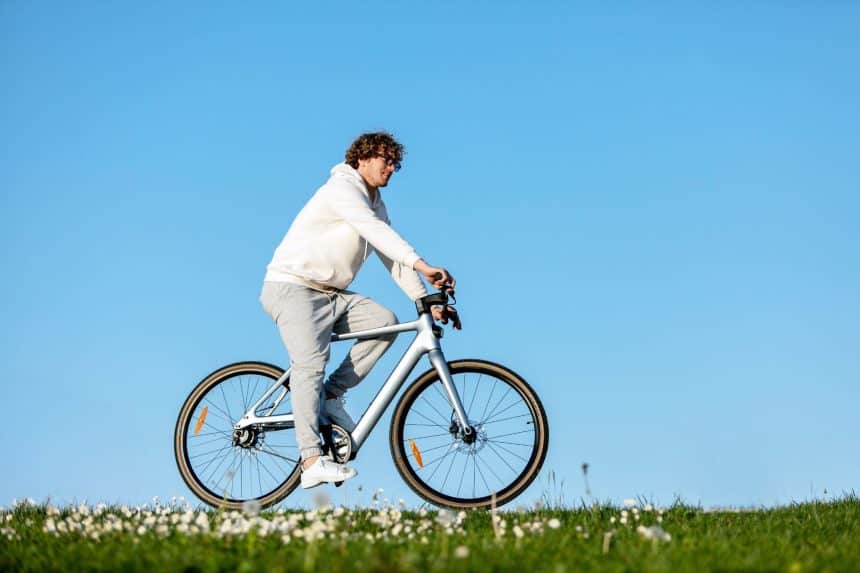
If you asked an aerospace engineer twenty years ago whether carbon fiber would ever become a material used in daily commuter bikes, you would probably have earned a polite laugh. Carbon fiber was the holy grail of high-performance industries—found in satellites, fighter jets, Formula 1 cars, and other machines that seemed galaxies away from everyday life. Yet here we are in 2025, watching that same space-grade material quietly slip into urban streets, bike lanes, and office corridors—thanks to a new generation of electric bikes led by models like the Fiido Air carbon fiber ebike.
This isn’t a story about another electric bike. It’s the story of how a material once reserved for billion-dollar engineering projects has begun reshaping the way regular people move through their cities.
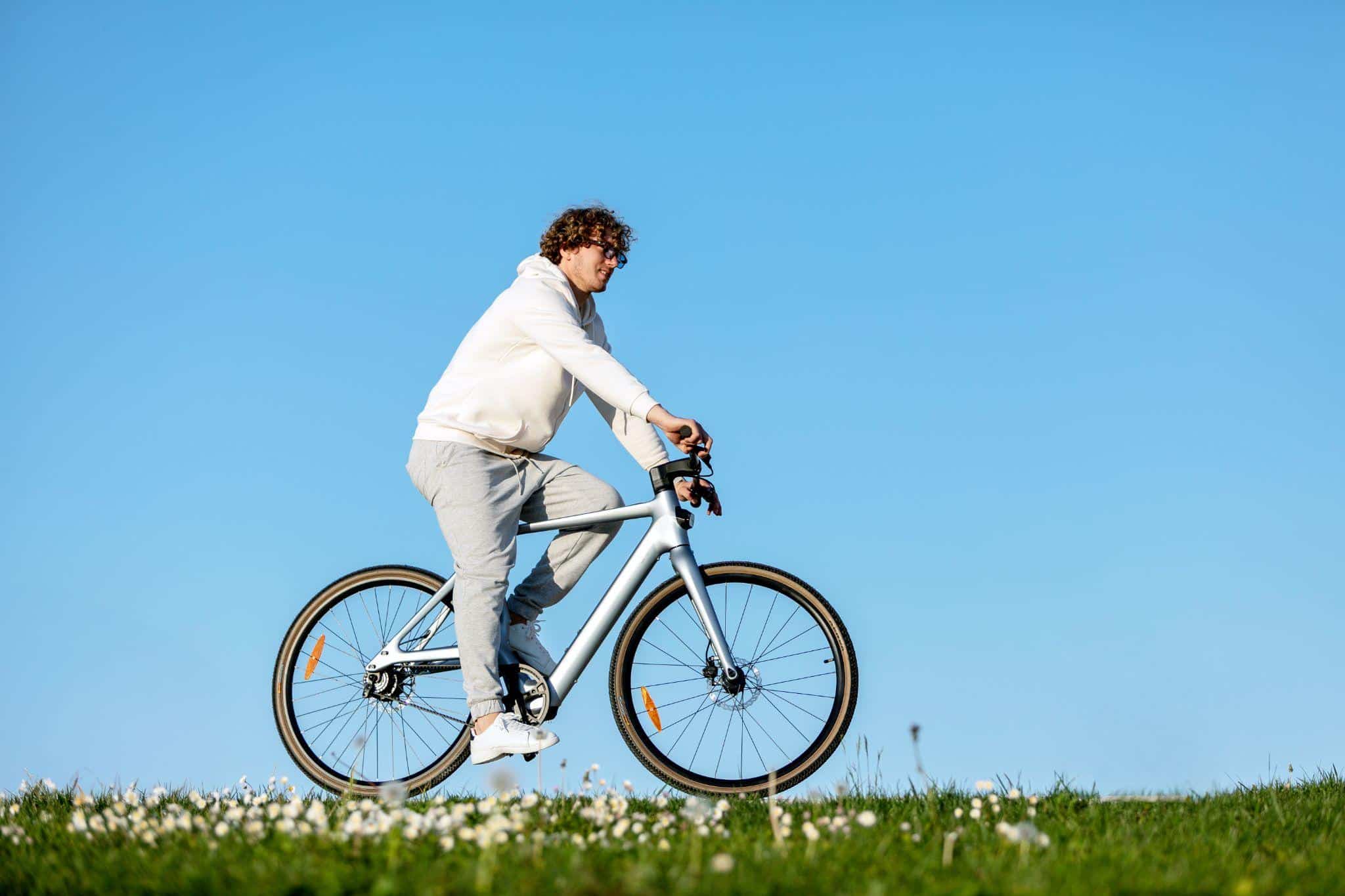
And the Fiido Air may be the clearest proof that the future of transportation won’t always come from bigger machines—but from lighter ones.
The Unexpected Journey of Carbon Fiber
Before diving into the bike itself, it’s worth pausing to understand what carbon fiber actually represents. It’s not just “lightweight material.” It's a symbol of technological ambition. The reason aerospace companies love carbon fiber is simple: it offers incredible strength with a fraction of the weight of metal. Every gram matters when a machine needs to escape Earth’s gravity.
The same principle translates surprisingly well to urban mobility. Replace “gravity” with “daily fatigue,” “wind resistance,” “hills,” or “the need to carry your bike into your apartment,” and suddenly carbon fiber’s value becomes very real.
But until recently, the cost and complexity of producing carbon fiber frames made them accessible only to elite cyclists and professional athletes. That’s why seeing it on a sleek, minimalist electric bike like the Fiido Air feels like witnessing a small shift in history—a point where high-performance engineering finally meets practical, everyday life.
Fiido Air: When High-Tech Becomes Human-Centered
The Fiido Air doesn’t try to scream “carbon fiber” the way high-end racing bikes do. Instead, it wears its aerospace heritage in a quiet, elegant way. The matte carbon frame has a kind of subtle confidence—nothing flashy, but unmistakably premium to anyone who has ever touched a high-end carbon product.
The moment you pick it up, the difference becomes real.
A typical electric bike weighs between 23 to 30 kilograms—manageable if you roll it everywhere, but miserable when stairs or narrow hallways appear. The Fiido Air, however, sits around 13–16 kilograms, depending on configuration. That’s commuter-friendly. Apartment-friendly. Life-friendly.
People often ask what carbon fiber “feels like” compared to aluminum or steel. The answer is simple:
It feels like the bike has no unnecessary grams left. No heaviness. No sluggishness. Just structure.
This weight reduction changes everything about the riding experience. The bike accelerates quicker, handles tighter corners with more precision, and climbs hills with noticeably less effort. Even riding with the motor off feels surprisingly natural, because the frame itself isn’t dragging you down.
The Marriage of Carbon and Electric Assist
Lightweight frames are great. Lightweight frames paired with electric assistance? That’s a whole new category of freedom.
Unlike heavier e-bikes that rely on the motor for every movement, the Fiido Air blends power and efficiency. The 250W motor feels like a natural extension of your legs. Instead of throwing you forward the moment you press the pedal, the torque sensor delivers power in sync with your movement, creating a seamless, near-silent glide.
The result is a sensation that seasoned riders often describe as “riding with a tailwind all the time.”
And here’s where the weight really matters. Because the frame is light, the motor doesn’t need to work as hard.
Less strain on the motor → longer battery life.
Less strain on the battery → fewer charges.
Fewer charges → longer battery lifespan.
This is the kind of efficiency that isn’t just convenient—it’s sustainable.
Urban Mobility Meets Aerospace-Inspired Engineering
When you bring aerospace principles into a compact electric bike, you don’t just get a lighter product—you get a more durable one. Carbon fiber’s unique structure disperses impact forces instead of bending like aluminum. This means the Fiido Air feels solid without feeling rigid.
On city streets, that translates into fewer vibrations and a smoother ride.
Over potholes, curbs, or uneven paths, the frame absorbs just enough shock to protect your hands and wrists without sacrificing stability.
There’s a quiet elegance in how it moves through the city. You feel it most when weaving through crowded bike lanes or taking tight corners around parked cars. The responsiveness is immediate—not twitchy, not overpowered, just precise.
It’s the kind of responsiveness that makes you look forward to riding every day, rather than viewing your commute as a chore.
Carrying the Bike Shouldn’t Be a Workout
Urban riders know this better than anyone: the real challenge isn’t always riding the bike—it’s everything that happens before and after the ride.
Stairs. Elevators. Train platforms. Office entrances. Apartment doors.
These environments were not designed with 28-kilogram e-bikes in mind.
The Fiido Air changes this equation. Most people can lift it with one hand. You can carry it up a narrow staircase without bumping every wall. You can slide it into a train during rush hour without feeling apologetic to every passenger around you.
This is where carbon fiber proves that high-tech materials aren’t about luxury—they’re about usability.
A Design Philosophy That Makes Sense in Modern Cities
Beyond the tech and materials, what makes the Fiido Air compelling is how intentionally it fits into real urban lifestyles.
It’s for the rider who lives in the top floor of an old building with no elevator.
For the commuter who splits their journey between riding and public transit.
For the minimalist who wants transportation that feels like a clean, quiet extension of themselves.
For the professional who wants something premium without being loud about it.
For the weekend explorer who doesn’t want their bike slowing them down when the battery runs low.
The bike isn’t trying to be everything. It’s trying to be the right thing for daily mobility—practical, beautiful, and efficient.
A Look Forward: When High Tech Becomes the New Normal
The Fiido Air is part of a broader shift happening across transportation. Carbon fiber is becoming more accessible. Motors are becoming more efficient. Batteries are lasting longer while getting smaller. Cities are prioritizing bike lanes and car-free zones.
In a way, the Fiido Air isn’t just a product—it’s a sign of where things are going.
The aerospace world took carbon fiber to the sky.
The cycling world used it to win races.
Now, finally, everyday riders get to experience the magic.
The idea that you can step out of your apartment, hop onto a carbon-fiber electric bike, and glide through your city with almost zero effort would have sounded like science fiction not long ago. But today, it’s simply smart design made accessible.
Conclusion: The Future of Urban Riding Isn’t Heavier—It’s Smarter
The Fiido Air embodies a clear message: the future of urban mobility doesn’t come from adding more power, more weight, and more complexity. It comes from taking inspiration from the world’s most advanced engineering fields and creating something effortless.
A carbon fiber electric bike isn’t about showing off.
It’s about reclaiming time, energy, and independence in a city that never slows down.
And as aerospace material trickles into the everyday world, it’s becoming clear that the best ideas don’t always stay in the sky.
Sometimes, they roll quietly onto bike lanes—one ultralight frame at a time.