Web design is constantly evolving, adapting to new technologies, user preferences, and aesthetic trends. In 2024, several exciting trends are shaping the way websites look and function. Here are some of the most significant trends defining web design this year, according to trusted design companies in LA.
1. Dark Mode
Dark mode continues to be a favorite among users and designers. It offers a sleek, modern look and reduces eye strain, especially in low-light environments. Many websites now offer dark mode as a standard feature, allowing users to easily switch between light and dark themes.
2. Neumorphism
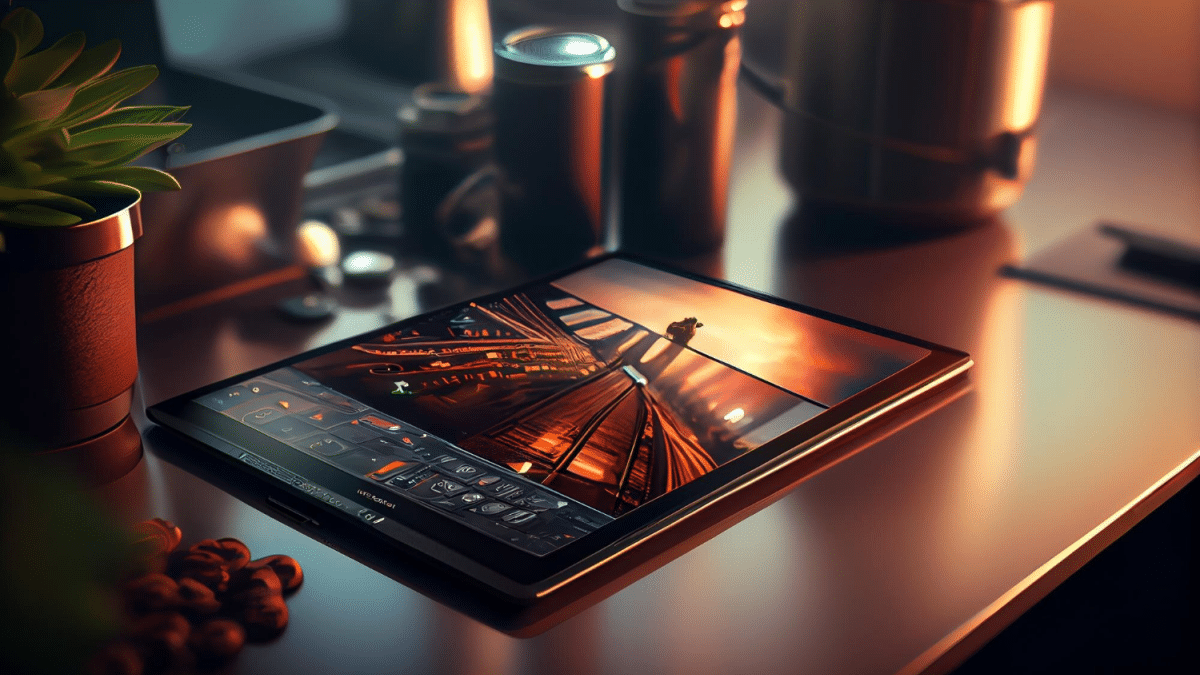
Neumorphism is gaining popularity. This design style combines the best of skeuomorphism and flat design, using subtle shadows and highlights to make elements look like they’re popping out of or sinking into the background. It gives a soft, almost tactile feel that’s both visually appealing and interactive.
3. Engaging Microinteractions
Microinteractions are small, subtle animations or design elements that provide feedback to users. They make websites feel more dynamic and responsive, enhancing user experience. Examples include animated buttons, hover effects, and loading animations. In 2024, more websites are using these micro-interactions to create a more engaging experience.
4. 3D Elements and Illustrations
The use of 3D elements and illustrations is becoming more common. Advances in technology have made it easier to incorporate 3D graphics, adding depth and realism that captivate users. From product showcases to interactive backgrounds, 3D elements make websites stand out from traditional flat designs.
5. Minimalism Meets Maximalism
Minimalist design is still in vogue, but now, it’s often paired with maximalist elements to create focal points. This means clean, uncluttered layouts with bold typography, vibrant colors, and large images that draw attention to key areas. The combination of minimalism and maximalism creates visually striking and user-friendly websites.
6. Asymmetrical Layouts
Asymmetrical layouts are breaking away from traditional grid-based designs. These layouts offer a more dynamic and interesting visual experience, allowing designers to create unique and memorable websites. Asymmetry can be achieved through varying column widths, staggered images, and unconventional placements of text and graphics.
7. Augmented Reality (AR) Integration
Augmented Reality (AR) technology is increasingly influencing web design, enhancing websites with interactive experiences that allow users to engage with virtual elements in their real-world environment. This trend is particularly gaining traction in e-commerce, enabling customers to visualize products within their own space prior to purchasing.
8. Voice User Interface (VUI)
With the rise of voice-activated devices, voice user interfaces (VUI) are becoming more common in web design. Websites are optimized for voice search and navigation, providing a hands-free browsing experience. This trend not only enhances accessibility but also aligns with the growing use of smart assistants.
9. Sustainable Web Design
Environmental awareness is influencing web design in 2024. Sustainable web design focuses on reducing a website’s carbon footprint by optimizing performance and energy consumption. This includes efficient coding practices, optimized images and videos, and minimizing resource-intensive features. Sustainable design benefits the environment and improves website performance and user experience.
10. AI-Powered Personalization
Artificial intelligence is playing a big role in making web experiences more personalized. AI can analyze user behavior and preferences to deliver customized content, product recommendations, and user interfaces. This level of personalization enhances user engagement and satisfaction, making websites more relevant and useful to individual users.
The web design landscape in 2024 is all about innovation and putting users first. Trends like dark mode and 3D elements push the boundaries of aesthetics, while micro-interactions and asymmetrical layouts enhance usability. Integrating AR, VUI, and AI-powered personalization creates more immersive and tailored experiences. As sustainability becomes a priority, web design is also evolving to be more eco-friendly. Keeping up with these trends is essential for designers and businesses aiming to create cutting-edge, engaging, and efficient websites.