
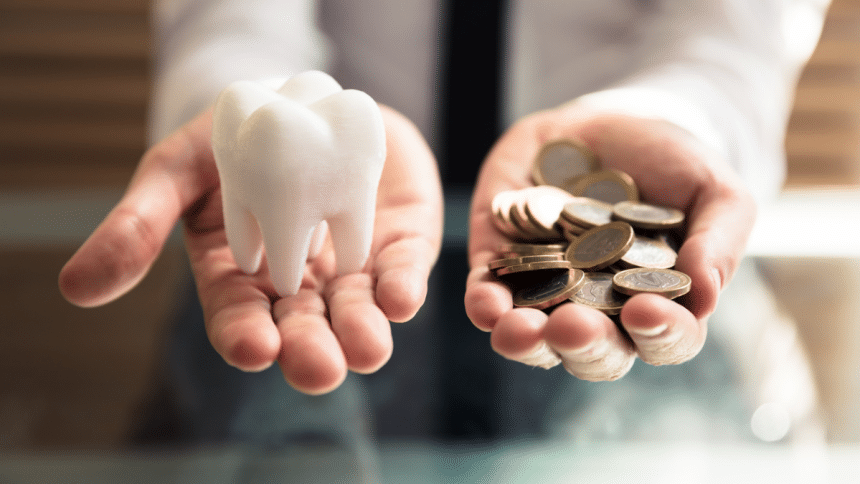
In boardrooms across the globe, an invisible currency is being exchanged one that has nothing to do with traditional financial instruments yet directly impacts earning potential, career advancement, and economic opportunity. This currency is dental confidence, and its exchange rate in today’s economy is higher than most people realize. From job interviews to salary negotiations, the economic implications of dental aesthetics extend far beyond the cosmetic dentistry bill.
The Quantifiable Value of a Perfect Smile
Research reveals striking statistics about the economic impact of dental appearance. Individuals with attractive smiles earn 10-15% more over their lifetimes compared to those with dental imperfections. In professional settings, people with confident smiles are 35% more likely to be promoted and 58% more likely to be perceived as successful, regardless of their actual qualifications or performance metrics.
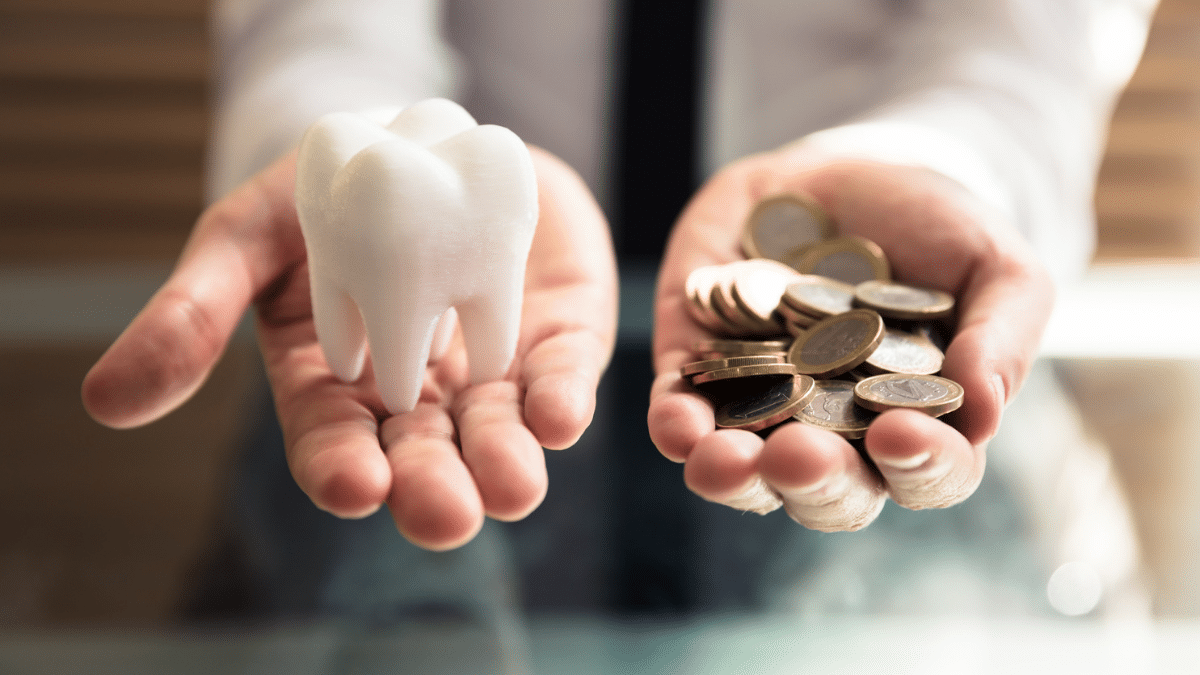
These aren’t merely correlations they represent measurable economic advantages that compound over time. A marketing executive in Sydney, who invested in porcelain veneers Melbourne after years of hiding her smile due to discolored teeth, reported landing three major client presentations within months of her procedure. Her increased willingness to speak confidently in meetings translated directly to revenue generation and eventual promotion to senior partner.
The mathematics of confidence currency become even more compelling when viewed through the lens of lifetime earnings. For a mid-career professional earning $75,000 annually, a 12% increase in earning potential well within the documented range for smile confidence translates to an additional $540,000 over a 30-year career. Suddenly, a $15,000 investment in cosmetic dentistry doesn’t seem expensive; it appears to be one of the highest-return investments available.
The Networking Premium
In an economy increasingly driven by relationships and personal branding, the ability to network effectively has become crucial for career advancement. Dental confidence plays a pivotal role in networking success, affecting everything from first impressions at industry events to follow-up conversations that solidify professional relationships.
Dr. Michael Chang, an organizational psychologist specializing in professional development, has studied the networking advantages of dental confidence for over a decade. His research shows that individuals who smile freely and frequently during networking events generate 40% more business cards and follow-up contacts than those who limit their smiles due to dental insecurity.
“The networking premium isn’t just about looking good,” Chang explains. “It’s about the psychological freedom to be genuinely engaging. When people aren’t worried about their teeth, they’re more likely to laugh, ask questions, and participate fully in conversations. This authentic engagement is what creates lasting professional relationships.”
The compound effect of improved networking extends beyond immediate career benefits. Enhanced professional relationships often lead to business partnerships, referral opportunities, and access to exclusive deals or investments. Over time, the networking premium from dental confidence can generate returns that dwarf the initial investment in cosmetic treatment.
The Entrepreneurship Factor
For entrepreneurs and business owners, dental confidence carries even greater economic significance. Customer-facing roles require authentic engagement and persuasive communication skills that are significantly enhanced by smile confidence. Market research indicates that consumers are 67% more likely to trust and purchase from business owners who smile genuinely and frequently during sales interactions.
Sarah Martinez built a consulting firm specializing in digital marketing, but initially struggled with client presentations due to self-consciousness about her smile. After investing in cosmetic dental work, she noticed immediate changes in client responses. “Suddenly, clients were more engaged during presentations, asked more questions, and seemed more willing to sign contracts on the spot,” she recalls. Her business revenue increased by 180% in the year following her dental transformation.
The entrepreneurship factor extends to fundraising activities as well. Venture capitalists and investors, whether consciously or unconsciously, make judgments about entrepreneur competence and trustworthiness based on presentation skills and confidence. Entrepreneurs who project confidence through authentic smiles are more likely to secure funding, negotiate favorable terms, and build supportive investor relationships.
The Customer Service Economy
As economies shift toward service-based industries, customer interaction skills become increasingly valuable. Dental confidence directly impacts the quality of customer service delivery, affecting everything from hospitality performance to sales conversion rates. In industries where tipping is customary, service professionals with confident smiles earn significantly more in gratuities often 20-30% above industry averages.
The customer service economy rewards authentic engagement and positive energy, qualities that are naturally enhanced by smile confidence. Flight attendants, restaurant servers, retail associates, and other customer-facing professionals report both improved job performance and increased earning potential following cosmetic dental treatments.
The Digital Age Paradox
Interestingly, the rise of digital communication has not diminished the economic value of dental confidence it has enhanced it. Video conferencing, social media presence, and digital personal branding all rely heavily on visual presentation. In many ways, the digital age has made physical appearance more important, not less, as individuals must compete for attention in increasingly crowded digital spaces.
Professional video content, whether for marketing purposes or remote work presentations, requires comfort and confidence in front of cameras. Individuals who feel self-conscious about their smile often avoid video content or perform poorly when required to appear on camera, limiting their professional advancement in an increasingly digital economy.
The Gender and Age Dynamics
The economic impact of dental confidence varies across demographic groups, with particularly pronounced effects for women and older professionals. Research indicates that women experience greater career benefits from smile confidence, possibly due to societal expectations about appearance and approachability in professional settings.
For professionals over 50, dental aesthetics can serve as a form of age discrimination protection. A confident, youthful smile helps maintain competitive positioning in age-sensitive industries and can offset negative assumptions about technological adaptability or energy levels that sometimes accompany aging.
The Investment Perspective
When viewed as an investment rather than an expense, cosmetic dentistry demonstrates remarkable returns. Unlike most consumer purchases that depreciate immediately, investment in dental aesthetics typically appreciates through improved earning potential, career advancement, and business opportunities.
The investment perspective becomes even more compelling when considering the durability of results. Quality porcelain veneers can last 15-20 years, providing decades of confidence currency generation from a single investment. When calculated as an annual cost over the lifespan of the treatment, cosmetic dentistry often costs less than many routine business expenses while delivering substantially higher returns.
The Future of Confidence Currency
As artificial intelligence and automation eliminate routine jobs, human skills like communication, relationship building, and leadership become increasingly valuable. These skills are all enhanced by confidence, making dental aesthetics an investment in future-proofing one’s career against technological displacement.
The economic value of confidence currency will likely increase as markets become more competitive and personal branding becomes more crucial for professional success. In this environment, the individuals who invest in their confidence including their smile confidence will have significant advantages over those who don’t.
The hidden economics of dental aesthetics reveal a truth that many professionals are just beginning to understand: in an economy driven by relationships, trust, and personal branding, confidence isn’t just a nice-to-have quality it’s a measurable asset that generates real, quantifiable returns. The question isn’t whether you can afford to invest in your smile; it’s whether you can afford not to.