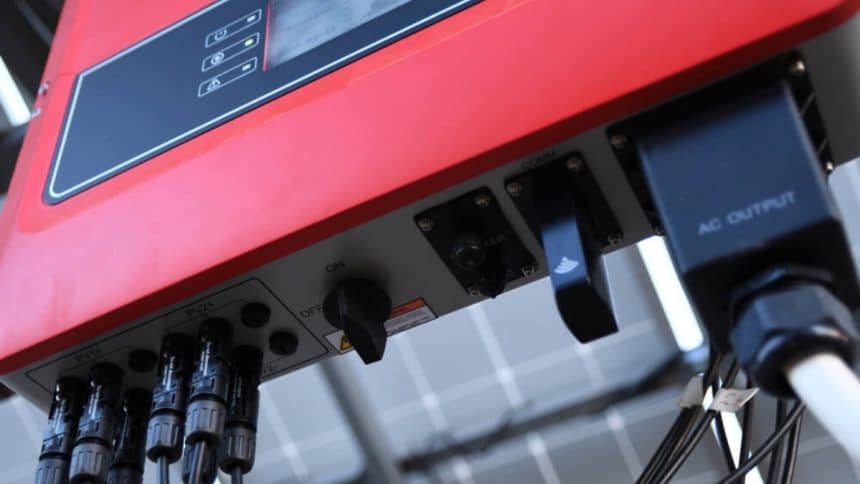
As solar energy becomes a popular choice for homeowners, it offers not only cost savings on electricity but also a sustainable way to reduce environmental impact. One of the essential components of a home solar power system is the solar inverter, which converts the direct current (DC) generated by solar panels into alternating current (AC), the form of electricity used by most household appliances. Selecting the right inverter is critical for ensuring the efficiency and reliability of your solar power system. This guide provides valuable insights to help you choose the most suitable solar inverter for your home.
What Does a Solar Inverter Do?
Solar panels generate electricity in DC form, but most home appliances run on AC electricity. The primary function of a solar inverter is to convert the DC electricity produced by the panels into usable AC electricity for your home. In addition, solar inverters monitor the system’s performance, tracking energy production and detecting issues like voltage fluctuations or shading effects, which can reduce efficiency.
Types of Solar Inverters
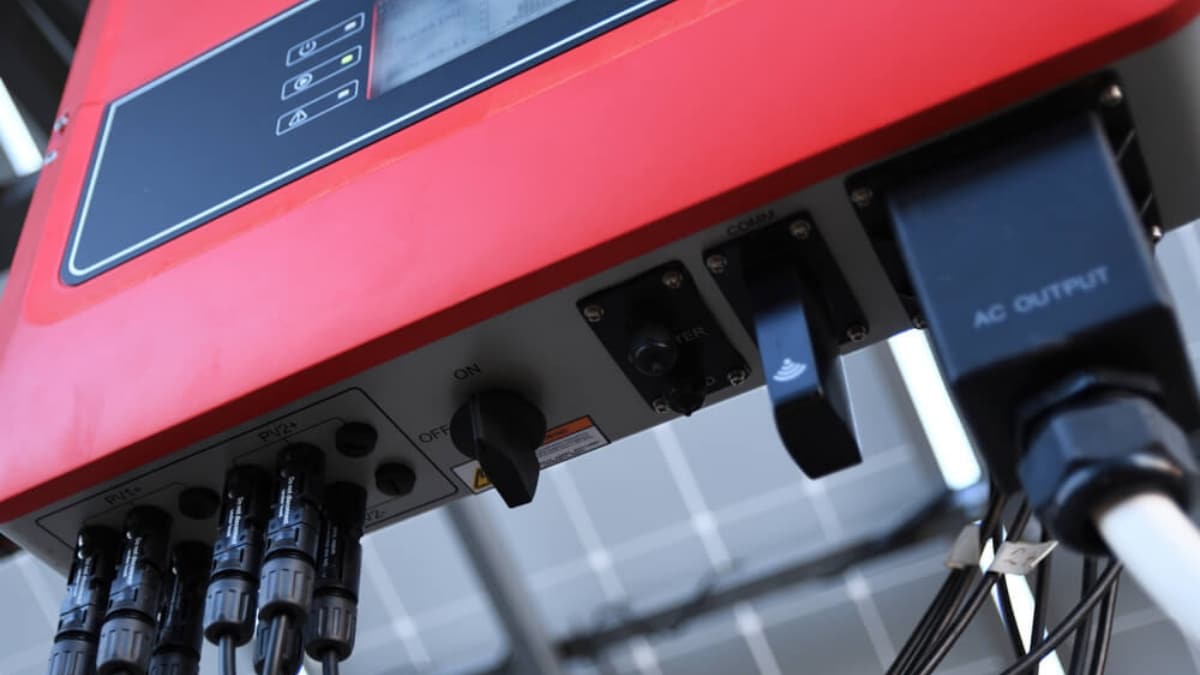
Home solar power systems typically use one of three types of inverters: string inverters, microinverters, and power optimisers. Each has distinct advantages and limitations, making them suitable for different installation scenarios.
1. String Inverters
String inverters, also known as central inverters, are the most common type used in residential solar installations. In these systems, multiple solar panels are connected in a series, forming a “string.” The combined DC output from all the panels is sent to a single inverter that converts it to AC.
Pros:
- Lower initial cost compared to other inverter types.
- Simple design makes maintenance straightforward.
- Reliable technology that has been proven over many years.
Cons:
- Reduced efficiency if some panels experience shading or have different orientations.
- Inability to monitor individual panel performance.
- Not ideal for complex roof layouts.
String inverters are best suited for homes with straightforward roof layouts where all panels face the same direction and receive consistent sunlight throughout the day.
2. Microinverters
Microinverters take a different approach by installing a small inverter on each solar panel. Each microinverter converts the DC output of its panel directly into AC, allowing for a modular system design.
Pros:
- Higher efficiency, particularly in installations where shading is a concern.
- Ability to monitor each panel’s performance individually.
- Suitable for complex roof layouts or installations with panels facing multiple directions.
Cons:
- Higher upfront cost due to the need for an inverter on each panel.
- More components, which can mean more potential failure points.
- Installation can be more labour-intensive.
Microinverters are ideal for homes with shading issues or roofs with multiple sections facing different directions. They ensure that if one panel’s performance is reduced, the others continue to operate optimally.
3. Power Optimisers
Power optimisers combine aspects of both string inverters and microinverters. Each solar panel is equipped with a power optimiser that conditions the DC electricity before sending it to a central inverter, which then converts it to AC.
Pros:
- Greater energy production compared to standard string inverters.
- Allows monitoring of individual panels.
- Lower cost than microinverters.
Cons:
- More expensive than traditional string inverters.
- Slightly more complex installation process.
- Still relies on a central inverter, which can be a single point of failure.
Power optimisers offer a middle-ground solution, providing some of the benefits of microinverters without the higher cost, making them suitable for many residential applications.
Key Factors When Choosing a Solar Inverter
Choosing the best solar inverter for your home depends on various factors. Here are some important considerations to keep in mind.
1. Budget
Cost is a significant factor in deciding which solar inverter to purchase. String inverters generally have the lowest initial cost, while microinverters and power optimisers come at a premium. While budget is important, it’s also worth considering the long-term benefits of investing in a more efficient system or one with better monitoring capabilities.
2. Roof Layout and Shading
The layout and shading of your roof will influence your choice of inverter. If your roof has multiple sections facing different directions or is prone to partial shading, microinverters or power optimisers are more suitable. For simple roof layouts with uniform sunlight, a string inverter is usually the most cost-effective option.
3. Efficiency
The efficiency of a solar inverter refers to how well it converts DC electricity from the panels into usable AC electricity. Most modern inverters offer high efficiency, typically between 95% and 98%. However, factors such as shading, temperature, and the placement of the inverter can impact the overall efficiency of the system.
4. Monitoring Capabilities
Advanced monitoring features can be valuable for identifying issues and optimising system performance. Inverters with detailed monitoring capabilities allow you to track the performance of individual panels, which can be especially useful for larger installations or systems with uneven sunlight exposure. If monitoring is a priority, microinverters or power optimisers will offer more detailed data.
5. Warranty and Reliability
Solar inverters come with warranties that typically range from five to 25 years, depending on the brand and type. It’s important to choose an inverter with a reliable warranty, as it is the component most likely to require maintenance or replacement during the system’s lifespan. Generally, microinverters come with longer warranties, while string inverters tend to have shorter coverage.
Additional Features to Consider
When comparing inverters, look for additional features that could enhance your solar system’s performance or provide added convenience.
1. Smart Inverters
Smart inverters comply with modern grid requirements and can communicate with the utility grid to manage energy production and consumption more effectively. This feature is especially valuable if you live in an area with regulations that require inverters to support grid communication.
2. Battery Compatibility
If you plan to add a solar battery to your system in the future, make sure the inverter is compatible with energy storage. Some inverters come with built-in battery management features, while others may require additional components for integration.
3. Cooling System
Inverters generate heat during operation, and effective cooling can prevent overheating and extend the device’s lifespan. Choose an inverter with an efficient cooling system, such as fan-based or passive cooling, which uses heat sinks and has no moving parts.
Installation and Maintenance Tips
Proper installation and maintenance are crucial to ensure the optimal performance of your chosen inverter. Always hire a qualified installer who understands the specific requirements of your inverter type and local grid regulations. Routine maintenance, such as cleaning dust from cooling fins and checking electrical connections, can help extend the inverter’s life.
Making the Final Choice
Choosing the right solar inverter for your home is vital for the overall performance and reliability of your solar power system. By understanding the different inverter types and considering factors such as cost, roof layout, and efficiency, you can select the option that best fits your needs. Whether you choose a string inverter, microinverter, or power optimiser, ensure it aligns with your long-term energy goals and offers the features necessary to maximise your solar investment.
Taking the time to choose the right inverter can significantly enhance the efficiency and longevity of your solar system, allowing you to enjoy the benefits of clean, renewable energy for many years.