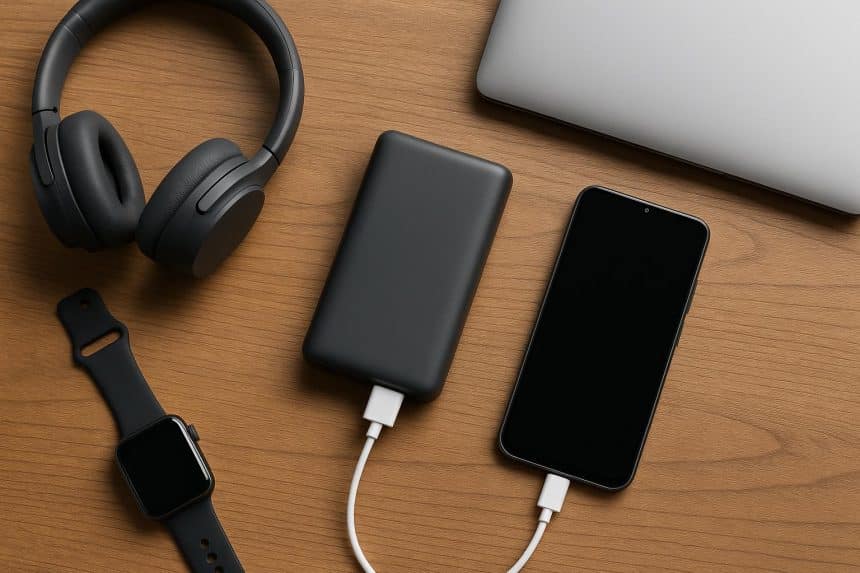
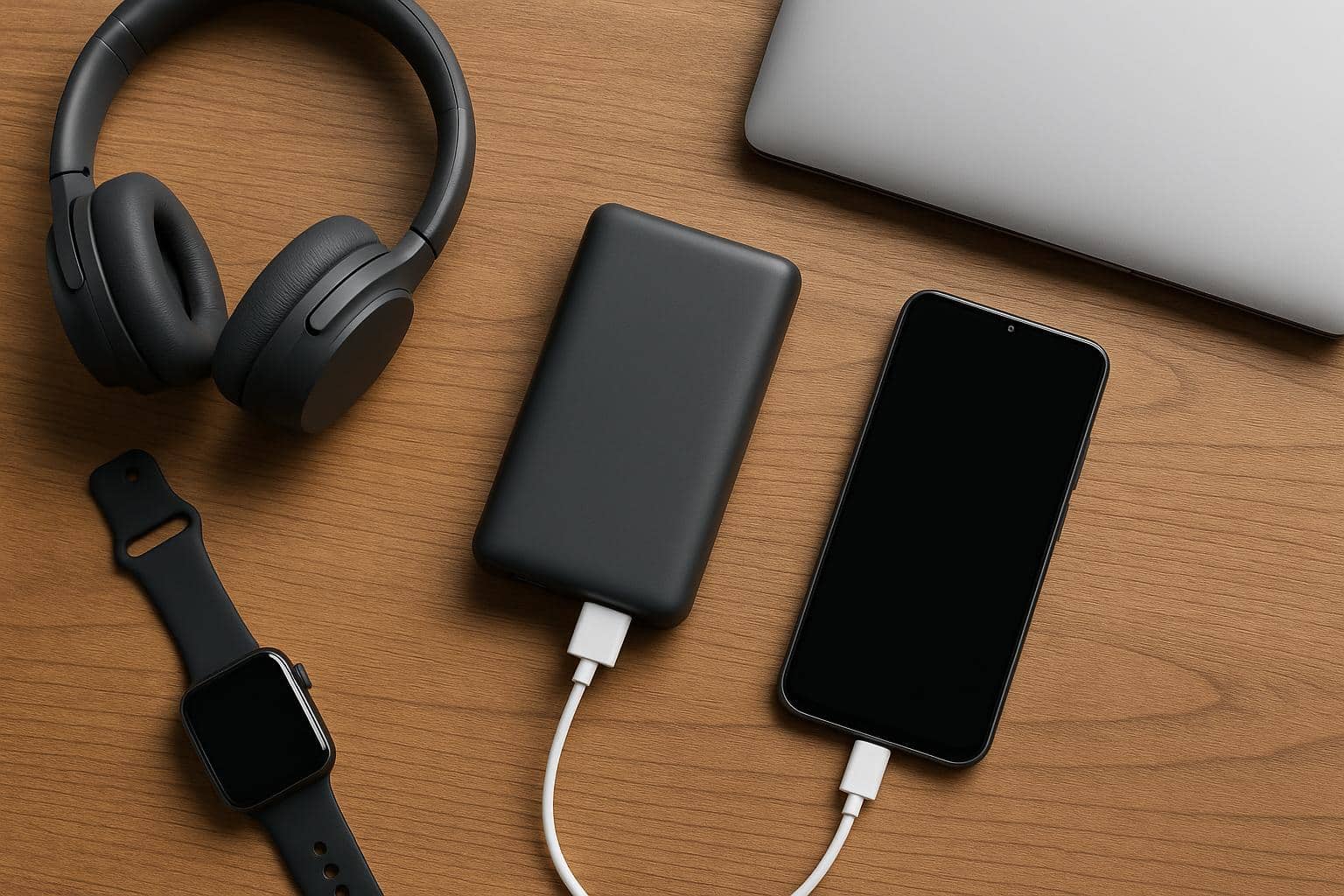
Finding the best portable charger is no longer just about picking the biggest battery off the shelf; it is about finding a specialized power partner that fits your unique rhythm of life. In 2026, our reliance on mobile tech has made “low battery anxiety” a genuine productivity killer. Whether you are a city commuter, a remote freelancer, or an outdoor enthusiast, the right charger ensures your digital life never skips a beat.
Technical Specifications That Actually Matter
Before diving into specific lifestyles, it is crucial to understand the tech under the hood. Most modern devices now rely on Power Delivery (PD) protocols. If you are charging a smartphone, a $20W$ output is standard, but powering a laptop requires at least $65W$ to be effective. It is also important to note the “efficiency gap”—a $10,000$ mAh battery typically delivers about $6,000$ to $7,000$ mAh of actual juice due to heat loss and voltage conversion. For frequent flyers, always ensure your gear stays under the $100$ Wh TSA limit to avoid hiccups at security.
The Daily Commuter and Minimalist
For those navigating subways or city streets, portability is king. The best solutions for this lifestyle are ultra-compact “lipstick” chargers or slim bricks that slide into a back pocket. These devices are designed for quick top-offs rather than full multi-day charges. Many commuters are now opting for units with integrated foldable plugs, allowing them to recharge the bank directly from a wall outlet without carrying extra bricks.
The Digital Nomad and Remote Professional
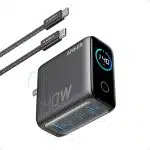
If your office is a coffee shop or an airport lounge, you need a heavy-hitter. This is where a high-wattage usb c hub with power pass-through becomes invaluable. Professionals need power banks capable of sustaining a MacBook Pro or a high-end Windows Ultrabook for hours of deep work. Look for models with “intelligent power distribution,” which can split $100W$ of power across a laptop, a tablet, and a pair of noise-canceling headphones simultaneously without overheating.
The Outdoor Adventurer and Frequent Traveler
When you are off the grid, durability takes precedence over aesthetics. Ruggedized power banks with IP67 or IP68 ratings are essential to survive rain, dust, and accidental drops. While many outdoor models feature solar panels, these are best used for emergency trickle-charging. For the serious hiker, a high-capacity, shockproof charger is the ultimate safety tool, often coming equipped with high-lumen flashlights and SOS signaling modes.
The Social Trendsetter and Tech Enthusiast
For users who value a clean, cable-free aesthetic, the wireless charger has evolved into a portable powerhouse. With the widespread adoption of MagSafe and the Qi2 standard, you can now snap a slim battery pack onto the back of your phone and keep moving. This “snap-and-go” convenience is perfect for social events or long days of travel where fumbling with cords is an inconvenience. Modern wireless units are also becoming fashion statements, featuring premium metallic finishes and vibrant colors.
Conclusion
Choosing a portable power solution is a balancing act between capacity, speed, and physical size. A massive $25,000$ mAh brick is useless if it’s too heavy to leave your desk, just as a pocket-sized charger won’t help you finish a deadline on a cross-country flight. By identifying your primary “power pain points,” you can invest in a device that protects your hardware’s battery health while keeping you connected.As we move further into a cordless future, your choice of gear determines your freedom. Investing in a high-quality, certified power bank is an investment in your own mobility. Whether you need the ruggedness of an adventurer’s brick or the sleekness of a magnetic attachment, the right choice ensures that you stay powered up and ready for whatever the day throws your way.