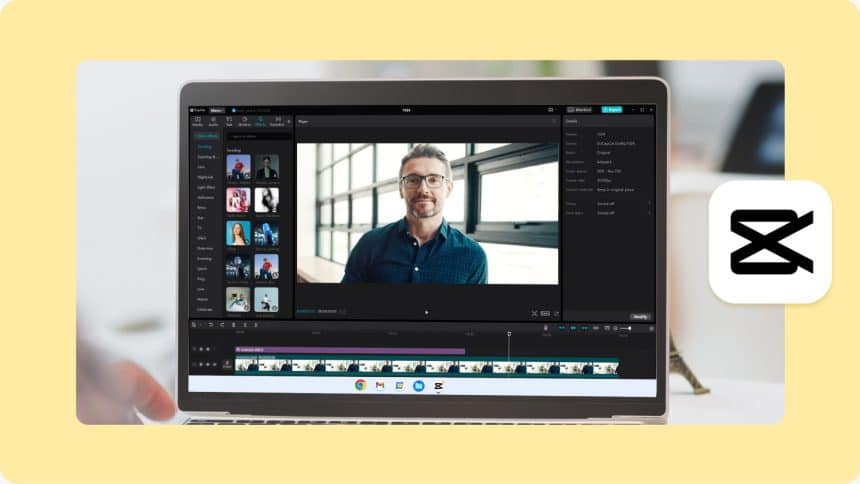
In recent years, AI (Artificial Intelligence) has made huge strides in many areas of our lives, from healthcare to transportation. But one of the most interesting developments is in the creative world, where AI is now being used to create art. This has led many to ask: Can AI replace artists? The idea of machines producing art raises important questions about creativity, originality, and the future of human artists.
The Role of AI in Image Creation
One of the most popular ways AI is being used in creative fields is through an AI image generator. These tools allow users to create images just by typing a description. For example, if you wanted to create an image of a sunset over the ocean with a dolphin jumping, you could simply type that description into an AI image generator, and the tool would create a visual representation of that scene.
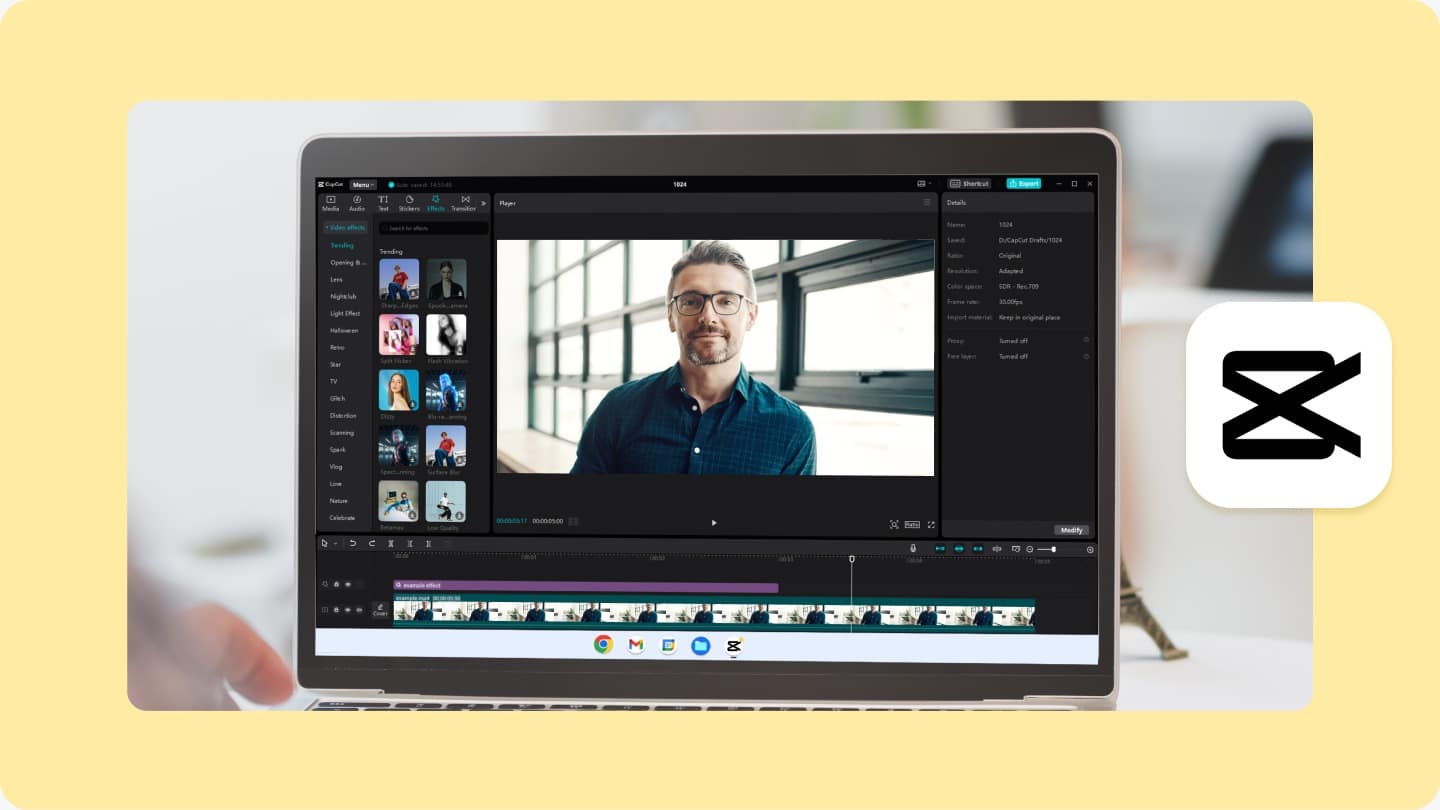
AI image generators are powered by advanced machine learning algorithms that analyze thousands (or even millions) of images to learn how to create new visuals. The more the AI is trained, the better it becomes at creating realistic and detailed images. With the rise of AI, artists and designers now have powerful tools at their fingertips that allow them to quickly generate images, saving them time and effort.
However, this technology has also led to debates about whether AI will eventually replace human artists. While AI image generators can create visually stunning results, there’s still something unique about the creativity and personal touch that human artists bring to their work.
Can AI Replace Artists?
The idea that AI could replace artists is exciting but also a bit concerning. On one hand, AI can produce beautiful images in a fraction of the time it would take a human artist. It can also handle repetitive tasks like filling in backgrounds or adding details, allowing artists to focus on more complex aspects of their work. For example, AI-powered tools can assist in generating ideas, which can be useful in graphic design, marketing, or social media content creation.
But, on the other hand, AI has its limitations. It can generate images based on data and patterns, but it lacks true creativity and originality. AI doesn’t have emotions or personal experiences, so it can’t create art that expresses feelings or explores deep human themes the way a human artist can. While an AI image generator can produce an image of a sunset, it will never have the same emotional depth as a painting made by an artist who has experienced the beauty of a sunset firsthand.
In the end, AI is a tool that can help artists, not replace them. While it can assist with the technical aspects of image creation, it can never truly replace the human touch that makes art so special.
The Rise of AI Avatars
Another exciting development in the AI world is the rise of CapCut’s AI avatar. These are digital characters created by AI that can resemble real people or be entirely fictional. AI avatars are becoming increasingly popular in video games, virtual worlds, and even in customer service roles. These avatars allow people to interact with digital characters in a more lifelike way.
How AI Avatars Are Revolutionizing Digital Interaction
AI avatars are created using similar technology as AI image generators, but with a focus on creating realistic human-like figures. The AI learns from thousands of images of people to create avatars that can talk, move, and express emotions. These avatars are being used in many industries, from entertainment to business. For example, in customer service, AI avatars are being used to provide virtual assistance to customers, making interactions smoother and more engaging.
AI avatars are also being used in social media, where users can create their own digital selves. This has led to the rise of virtual influencers, who are entirely AI-created characters that have their own online presence and interact with followers.
While AI avatars are a fascinating technology, too, they come with limitations. AI avatars can only mimic human behaviors and emotions based on the data they’ve been trained on. They lack the true understanding and spontaneity of real human interactions. However, as technology improves, we may see even more lifelike and expressive AI avatars in the future.
How to Use CapCut’s AI Image Generator
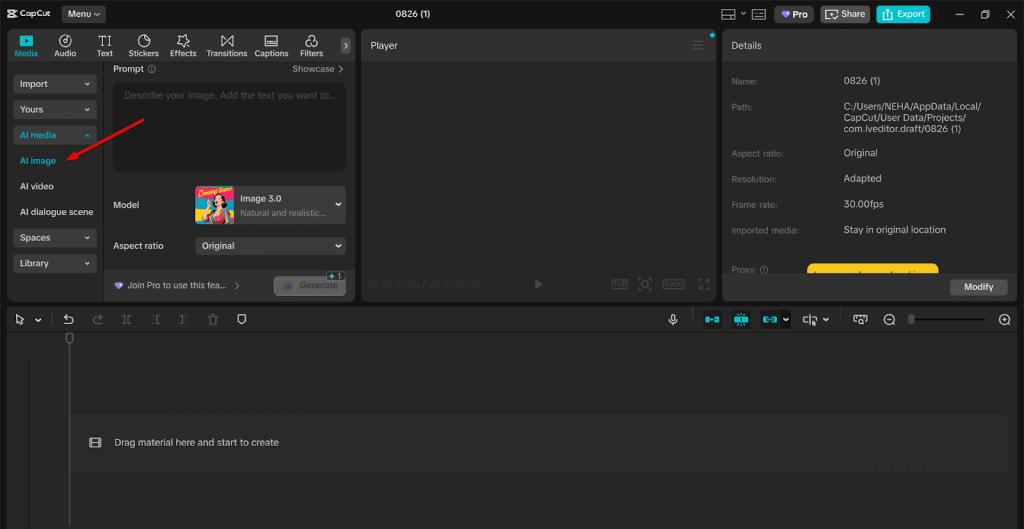
CapCut is one of the many platforms offering AI-powered tools for image creation. The CapCut AI image generator allows you to easily create high-quality images with just a few simple steps. Here’s how you can get started:
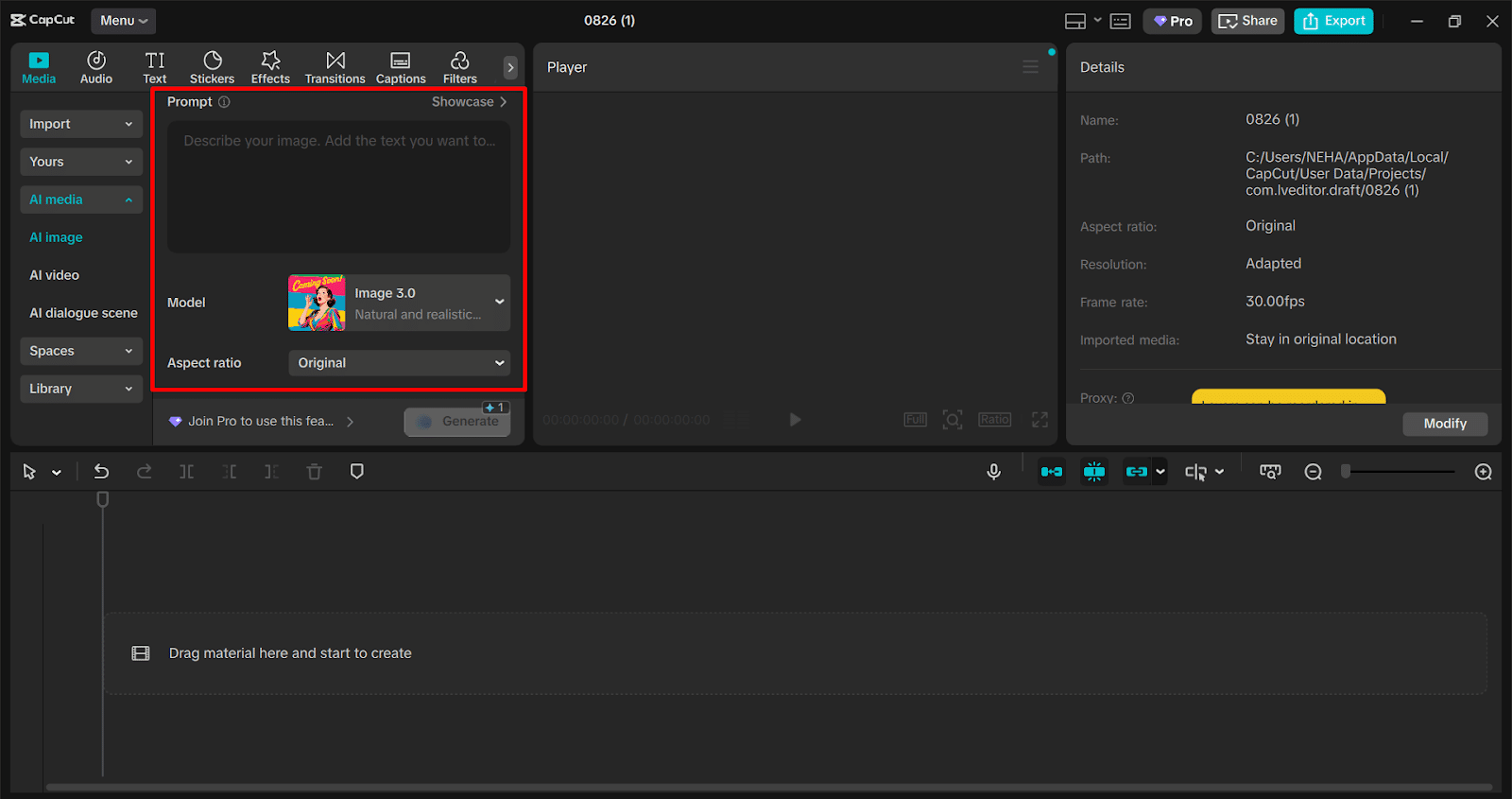
Step 1: Describe Your Vision
Launch CapCut and go to the editing interface. From the left panel, click on “AI media” and select “AI image”. In the prompt box, type a detailed description of the image you want to generate. For example, if you want an image of a dog in a field of flowers, simply type that in. You can also click on the “Reference” option to upload an image that will guide the AI in creating the visual.
Step 2: Select a Model and Aspect Ratio
After typing your description or uploading a reference image, you need to choose an AI model. CapCut offers several models, such as General V3, General V2, and Image F1.0 Pro, each designed to produce different levels of realism and detail. After selecting the model, pick the aspect ratio based on where you plan to use the image. For example, if you’re creating content for Instagram Stories, you’ll want to select a 9:16 aspect ratio.
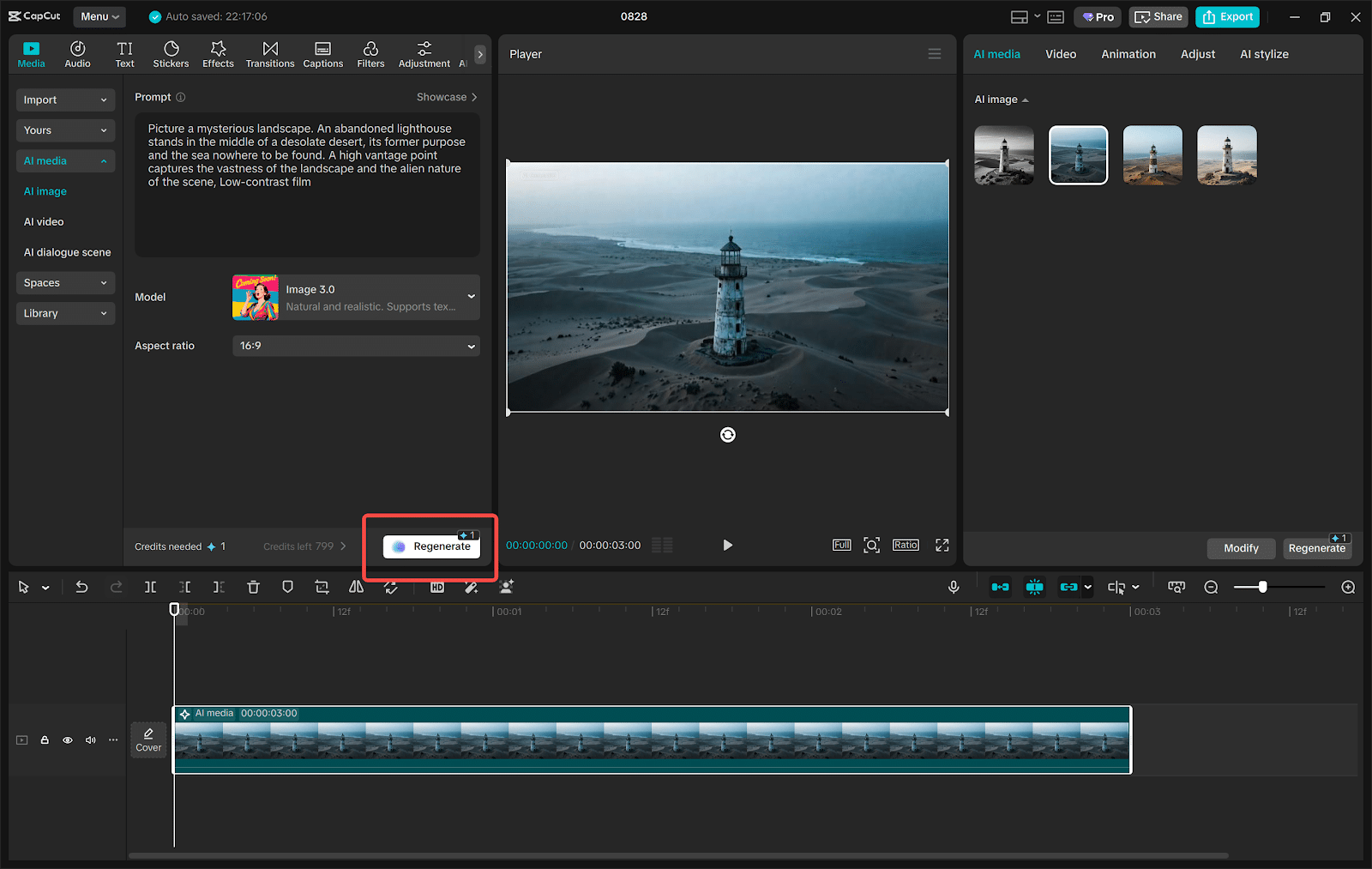
Step 3: Generate and Refine
Once your settings are ready, click the “Generate” button. CapCut’s AI will analyze your description and produce an image in just a few seconds. After the image is created, you can refine it using various built-in tools like color correction, background replacement, or upscaling to improve its quality. Once you’re happy with the image, you can download it and use it as needed.
CapCut’s AI image generator is a powerful tool that makes creating beautiful images quick and easy. Whether you’re a content creator, designer, or marketer, AI-powered tools like this can save you time and boost your creativity.
The Future of AI in Art
As AI continues to evolve, it’s likely that we’ll see even more exciting developments in the world of image creation and avatars. While AI may not fully replace artists, it can certainly make their work easier and more efficient. It’s a tool that artists can use to explore new ideas, generate inspiration, and even create finished pieces.
The future of AI in art is one of collaboration rather than replacement. AI can work alongside human artists to enhance their creativity and bring their ideas to life in new ways. As technology advances, the line between human-created and AI-created art may become even more blurred, leading to exciting new possibilities.
Conclusion
AI has already had a major impact on the world of art and image creation. While it’s unlikely that AI will ever fully replace artists, it’s clear that AI-powered tools like AI image generators and AI avatars are here to stay. These tools can help artists and creators save time, improve their work, and push the boundaries of creativity. The key to the future of art lies in collaboration—artists and AI working together to create something truly special.