January 9, 2007, is probably not a date that stands out in your mind, but it is one that changed the face of mobile phones forever. The late Steve Jobs spoke at the Macworld Conference & Expo in San Franciso, where he unveiled what would be known as the iPhone, claiming, “today, Apple is going to reinvent the phone.” It is fair to say Jobs’ seemingly outlandish claims became true, with Apple selling more than two billion of the iconic smartphones since launch and more than 18% of the world’s mobile phone users owning an iPhone.
The iPhone would not exist today had it not been for the iPod. The iPod was Apple’s first major hit in the consumer electronic world. Launched in 2001 and immensely popular by 2003, the iPod became vulnerable in 2004 because the latest mobile phones could play MP3s. Apple joined forces with Motorola and launched the ROKR E1 in September 2005. The E1 was the first-ever phone integrated with Apple’s iTunes and was expected to be a massive hit with consumers, but it sold well below expectations, and the Apple/Motorola collaboration was over as quickly as it had begun.
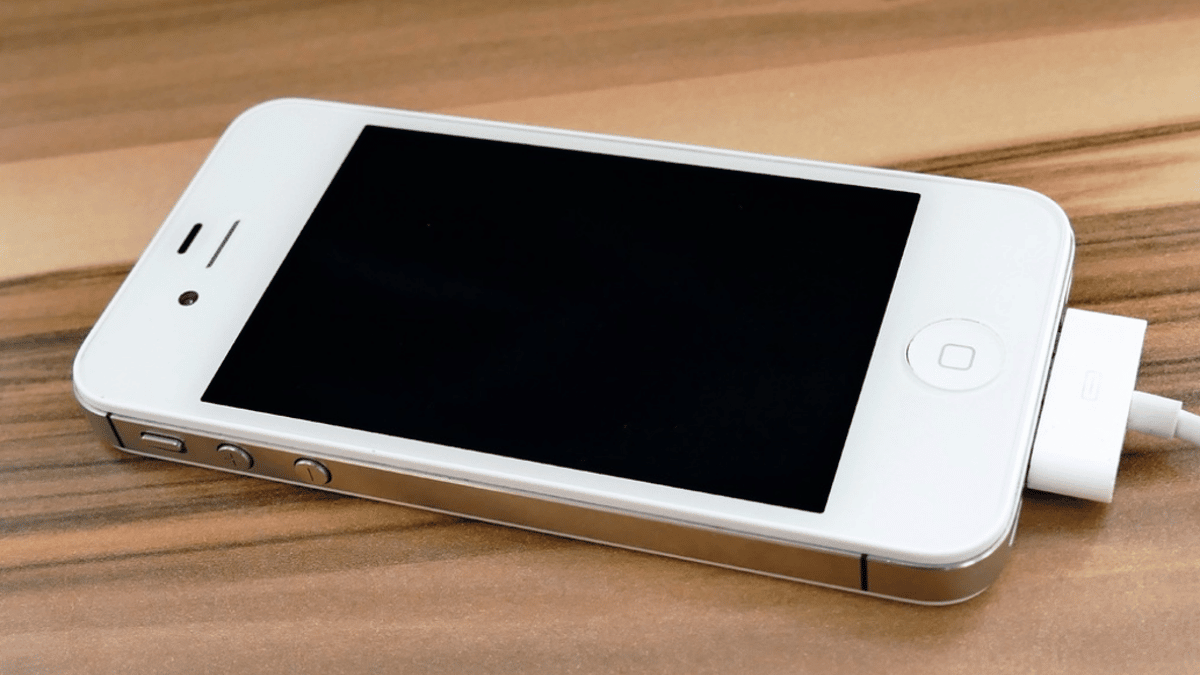
The First Ever iPhone
Apple collaborated with Cingular Wireless, now part of AT&T, and the end result was the iPhone. Jobs announced the iPhone on January 9, 2007, stating it was three devices in one: Introducing a revolutionary mobile phone, an internet communicator like you have never seen before, and a widescreen iPod with touch controls that are unmatched in the industry. The iPhone launched on June 29, 2007, with the App Store releasing on July 10, 2008, opening the door for millions of dedicated apps from iTunes and email programs to games and the best online betting sites to have pride and place on iPhone owners’ devices.
Although groundbreaking at the time of launch, the original iPhone’s specifications pale into insignificance compared to today’s latest model. A Samsung-produced 32-bit ARM microprocessor powered the iPhone. Apple unclocked the stock chip to 412 MHz from 620 MHz to preserve battery life, with the initial phone’s battery being a 3.7 V 1400 mAh Lithium-ion affair.
Storage came in the form of a 4 GB flash memory, although 8 GB and 16 GB models followed, with 128 MB of eDRAM providing the iPhone’s memory.
The original iPhone’s 3.5-inch screen was much larger than its rivals’ screens, and the 480×320 resolution at 163 ppi made it stand out from the crowd. Compare those specifications to the latest iPhone 14 Pro, and they are almost laughable. iPhone 14 Pros have 2796×1290 6.5 inch screens with 460 ppi density, a 3200 mAh battery, up to 1TB of NVMe storage, and 6 GB of LPDDR5 RAM!
Massive Success in the iPhone’s First Year
Apple set the price of the iPhone at $499 for the 4 GB model and $599 for the 8 GB model, which was very expensive 16 years ago. The cost was even greater when you consider iPhones were only initially available to people signing up for a two-year contract with AT&T.
However, the cost did not prove to be prohibitive. If anything, it gave the iPhone status and an air of luxury and exclusivity, fuelling its popularity. People camped outside AT&T stores in the run-up to the phone’s launch, with most stores reporting stock shortages within an hour of opening their doors. Only 74 days after its release, Apple sold its one-millionth iPhone! By the time Apple discontinued the inaugural model on July 15, 2008, Apple had sold some 6,124,000 iPhones. The original iPhone was a roaring success and paved the way for Apple to become one of the most valuable publically traded companies on the planet.