Valorant isn’t just about sharp aim and precise utility — it’s also about understanding the battlegrounds where matches unfold. Each map is carefully designed with unique layouts, features, and mechanics that challenge players to adapt their strategies. From classic maps like Bind and Ascent to the latest addition, Corrode, every arena offers different opportunities for attack and defense. And while players spend plenty of time honing their aim or unlocking cosmetics with cheap Valorant Points, mastering maps is just as essential for climbing ranks.
Ascent
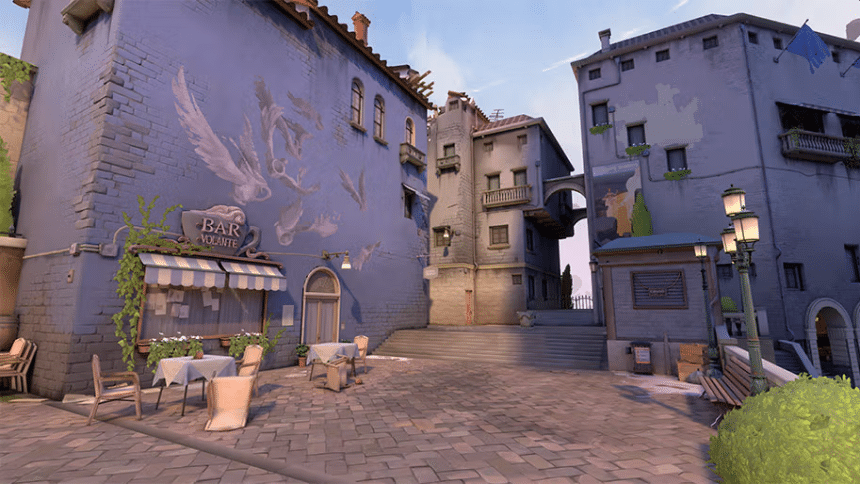
Ascent is one of Valorant’s most balanced maps, centered around a wide-open middle area controlled by a set of mechanical doors. Mid control often dictates the pace of the match, with defenders and attackers battling for vision and rotations. Its straightforward layout makes it beginner-friendly while still offering depth at higher ranks.
Bind
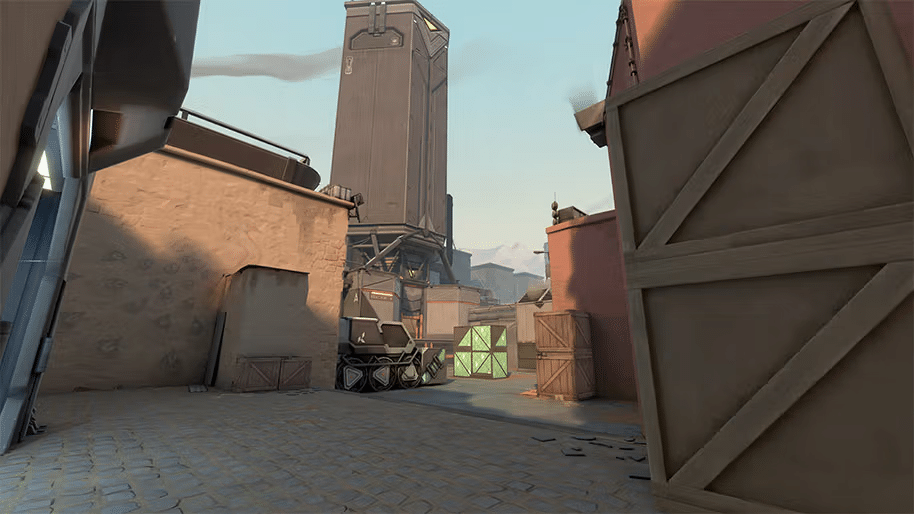
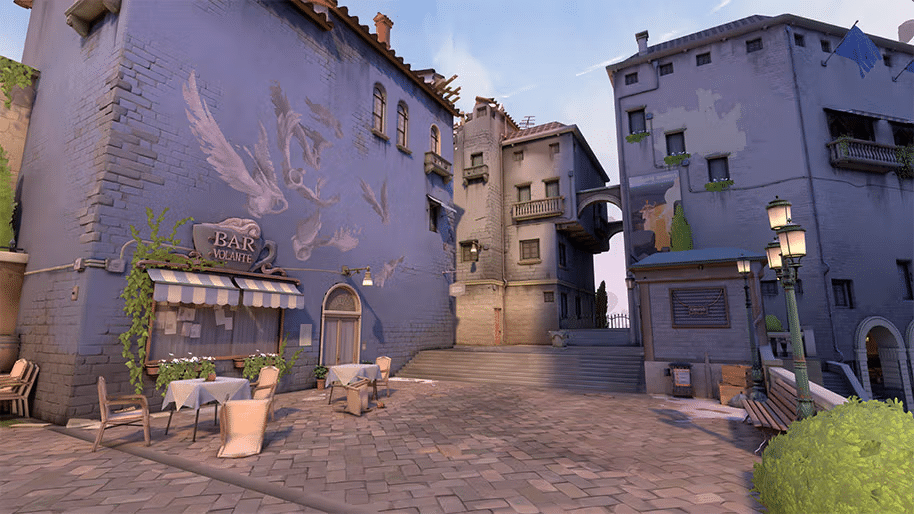
Bind is famous for its two one-way teleporters, which make rotations unpredictable and fast. Without a traditional mid-lane, teams are forced to choose between A and B sites directly, making teleporter control a key factor in both attack and defense strategies.
Haven
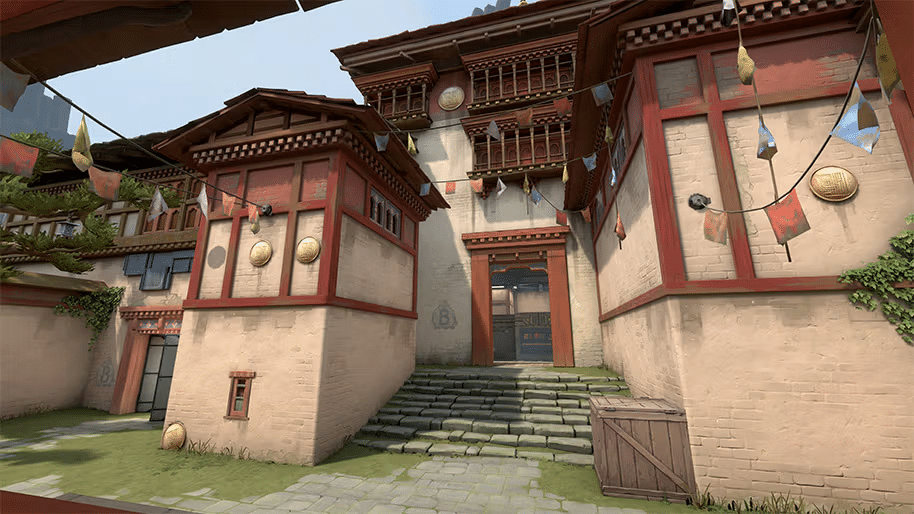
Haven breaks tradition by offering three spike sites instead of two. This forces defenders to spread thin and rewards attackers who can create quick pressure and force rotations. Despite its size, Haven is tight and tactical, demanding strong communication and quick site executions.
Split
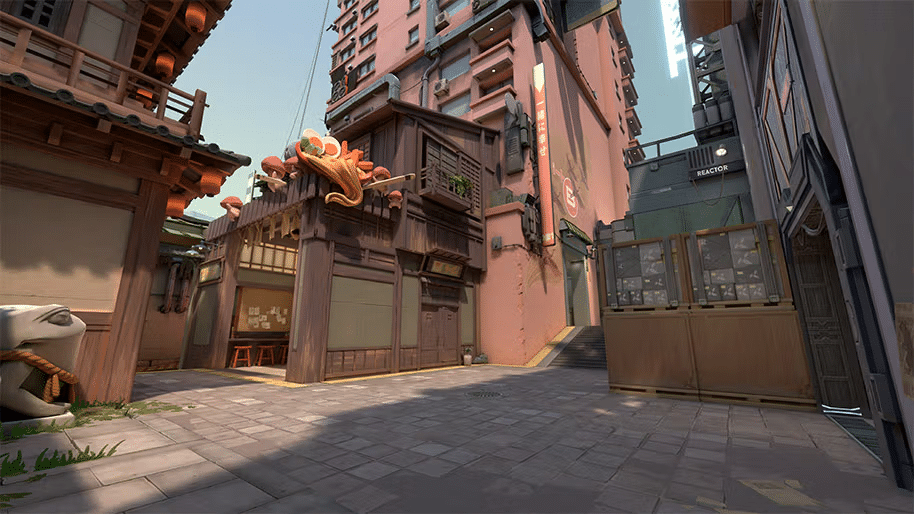
Split is all about verticality and chokepoints. The map is defined by tight mid-control fights, ropes that allow vertical traversal, and narrow corridors that favor defenders. Utility is crucial here, as smoking off mid or cutting off choke points often decides rounds.
Icebox
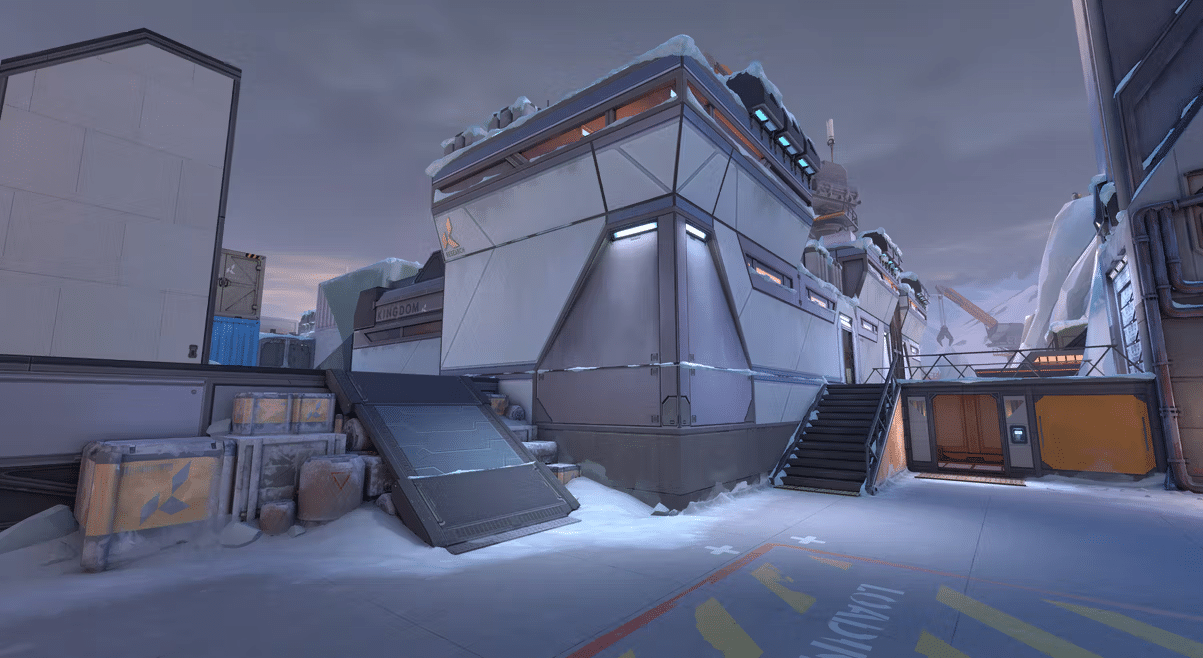
Icebox emphasizes vertical combat and layered cover, with zip lines and multi-level sites. It’s a mechanically demanding map that rewards creative movement, precise aim, and strong site holds. The B site in particular is notorious for its complex structure and angles.
Breeze
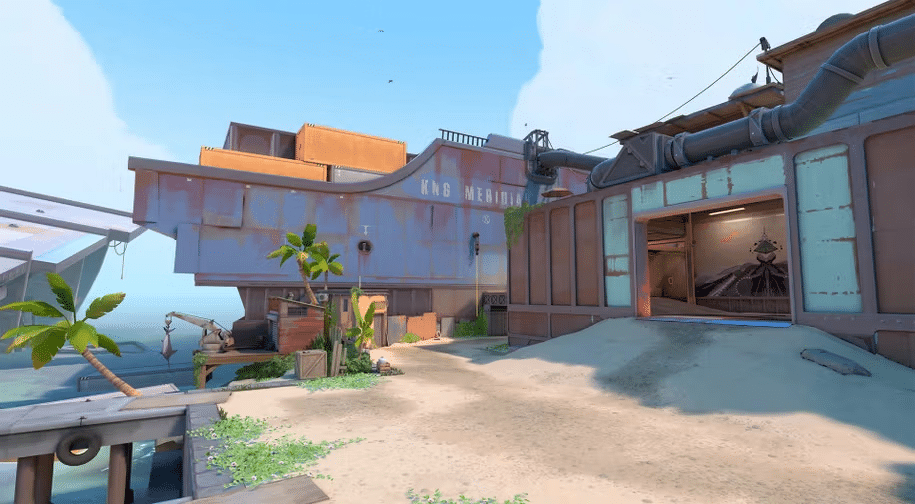
Breeze features large, open spaces with long sightlines, making it a playground for Operators and long-range engagements. With massive sites and multiple entry points, coordination is vital. Breeze is often favored by players who excel at sniping and wide-area control.
Fracture
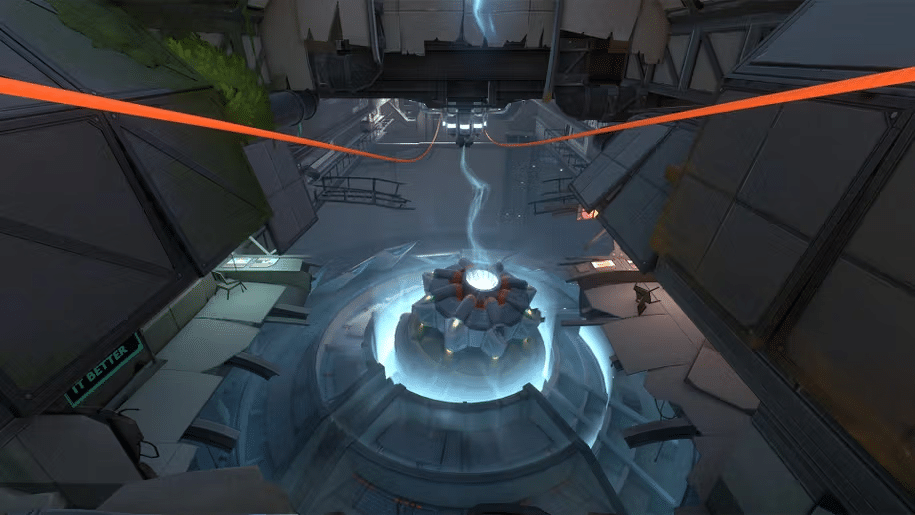
Fracture introduces a unique H-shaped design with attackers starting on both sides of the map. This layout creates constant pressure for defenders, who must guess which side will be hit. The zipline running across the map also adds creative rotation options.
Pearl
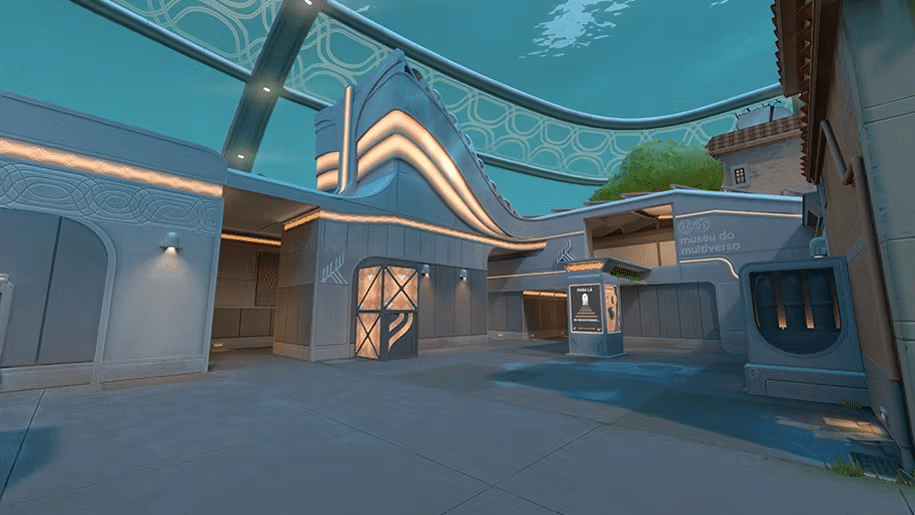
Pearl is an underwater-themed map that leans toward a more traditional design, with clear lanes and chokepoints. It rewards structured execution and coordinated utility usage, making it popular in competitive play for balanced team strategies.
Lotus
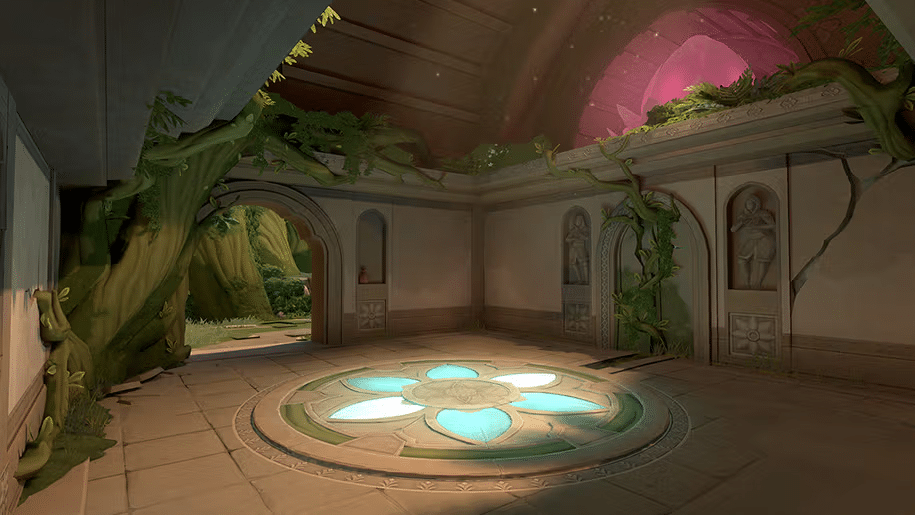
Lotus also features three spike sites, but what sets it apart is its rotating doors and destructible wall, adding tactical depth. The rotating mechanics give teams creative entry options and force defenders to remain flexible.
Sunset
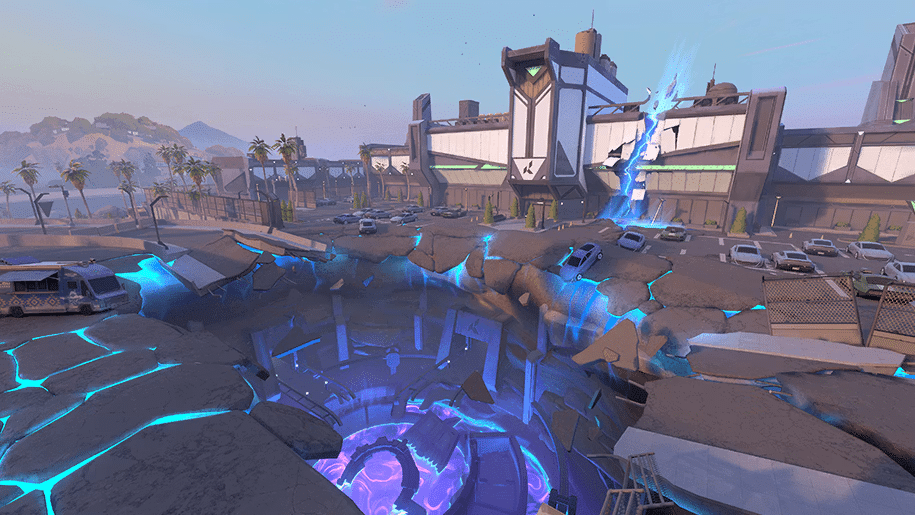
Sunset brings Valorant back to Los Angeles-inspired streets with a two-site layout. Its design emphasizes mid-control and multiple approach routes, allowing both aggressive pushes and structured defaults. The map is straightforward but offers tactical variety.
Abyss
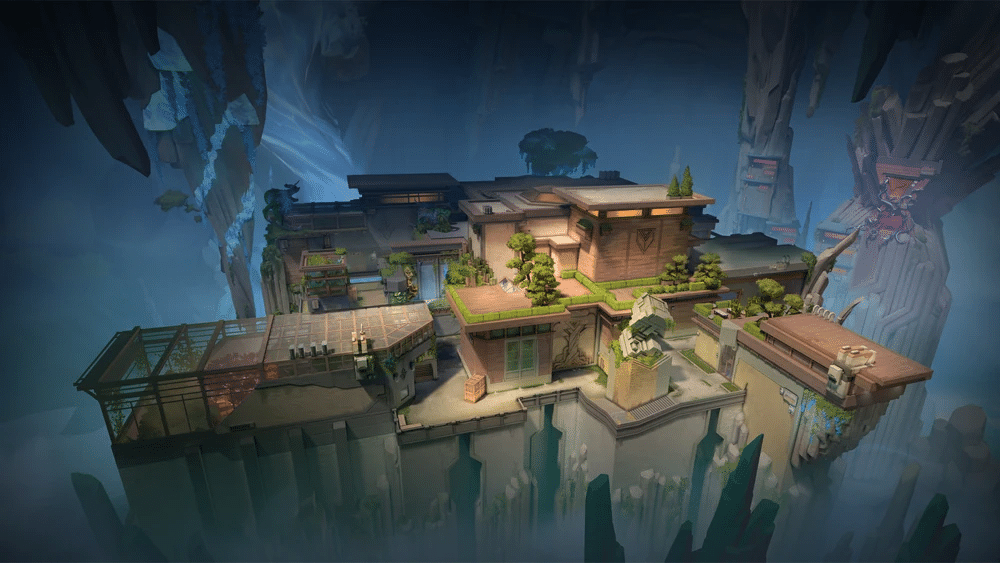
Abyss is Valorant’s first map without traditional boundaries, featuring vertical drop-offs where players can fall to their deaths. This introduces new strategies around environmental hazards while still offering tight choke points and high-risk, high-reward plays.
Corrode
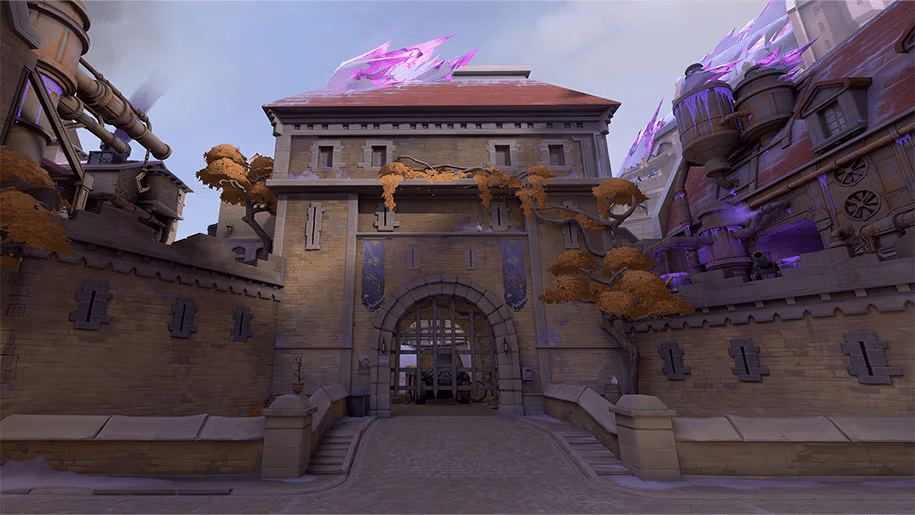
The newest addition, Corrode, stands out with its toxic, decayed aesthetic and environmental mechanics that allow for shifting terrain and altered sightlines. Teams must adapt quickly as Corrode’s dynamic features can change how engagements unfold. It’s quickly becoming a fan favorite for its fresh take on Valorant’s tactical map design.
Final Thoughts
With 12 maps in rotation, Valorant offers one of the most diverse tactical shooter experiences on the market. Each arena introduces unique mechanics — from teleporters and rotating doors to deadly drop-offs — ensuring that no two matches feel the same. Success in Valorant depends as much on map mastery as it does on mechanical skill. Whether you’re grinding ranked games or exploring new strategies, understanding these environments will give you a major edge in every fight.