

Generative Intelligence and the Transformation of Trail Wellness
Generative intelligence is starting to shape how we train, recover, and keep ourselves safe out on the trail. Instead of sticking to rigid plans, we get systems that respond to terrain, weather, and even our bodies, right as things change.
Defining AI-Driven Trail Analytics for Outdoor Pursuits
What do we mean by AI-powered endurance? It’s training and wellness support that adapts during real trail use. Tools like AI Endurance blend route data, weather, and biometric signals from your watch or wearable into guidance that actually changes as you move.

If a climb gets steep, or your heart rate shoots up, the system updates its advice. Many hiking and trail apps now use some flavor of AI to flag storms, unsafe ground, or when you’re pushing too hard.
- Personalized training plans based on your hiking history and current fitness
- Real-time alerts tied to where you are and what’s happening
- Recovery tips based on load, sleep, and heart rate
The Move from Generic to Personalized Trail Experiences
We’re not stuck with cookie-cutter plans anymore. Generative systems tailor each hike to your fitness, history, and goals. AI looks at your past routes, elevation, pace, and recovery to fine-tune guidance for the day.
If the weather shifts or the terrain gets rough, the system recalibrates, changing effort targets and rest breaks. Even group hikes benefit, since AI can help balance pace across different skill levels.
| Feature | Generic Approach | AI-Powered Approach |
|---|---|---|
| Training plan | Static | Adaptive |
| Feedback | After the hike | During the hike |
| Recovery | Time-based | Data-based |
Limitations of Traditional Endurance Approaches
Old-school endurance methods assume everything stays the same, stable weather, predictable bodies. But we know trails rarely play by those rules.
Fixed plans can’t account for heat, altitude, or uneven ground. And reviewing heart rate data days later? That doesn’t help you avoid fatigue or injury in the moment.
- No real-time adjustment
- Limited use of biometric data
- Poor fit for long or remote trails
Smart endurance systems react as things change, which feels a lot closer to how we actually move outdoors.
From Passive Tracking to Predictive Trail Guidance
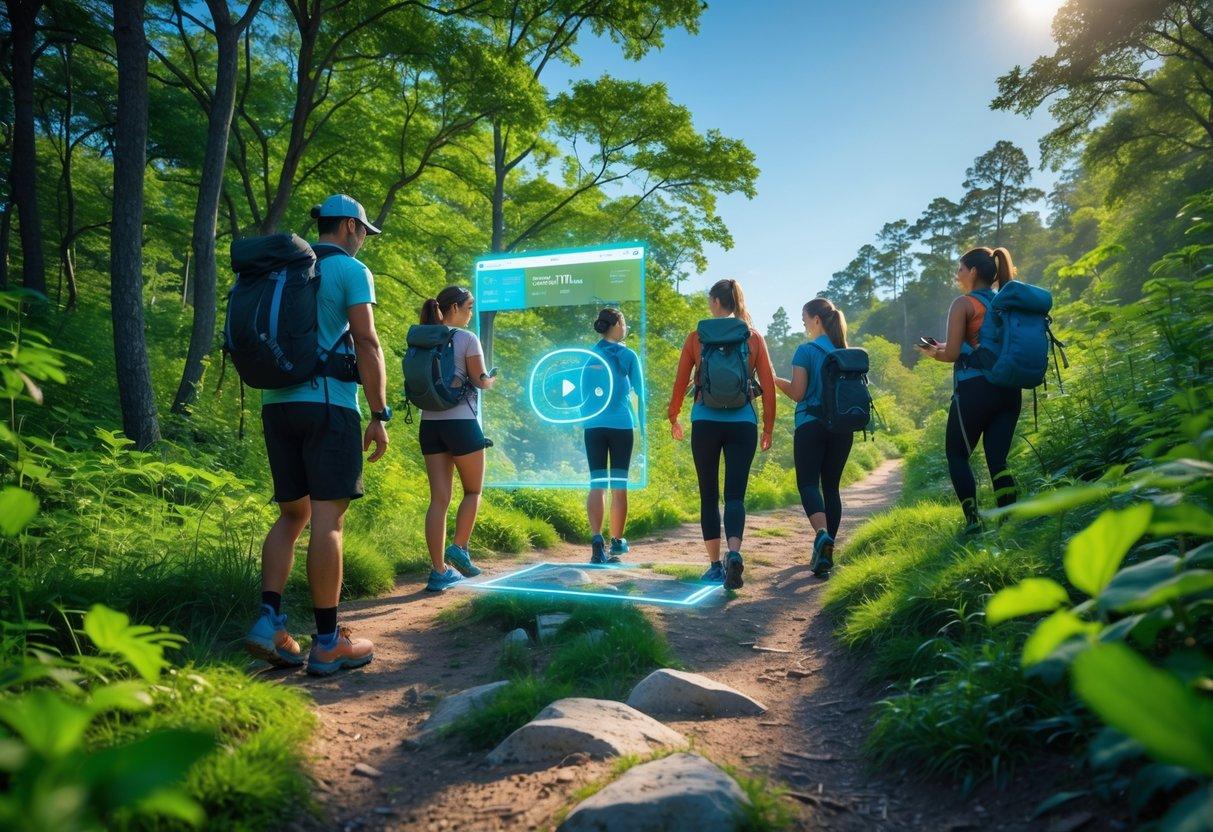
AI-Driven Trail Analytics have changed how we use wearable technology on the trail. Devices aren’t just logging your miles, they’re guiding decisions mid-hike, using live data and short-term forecasts.
The Shift from Passive to Predictive Wearables
Early wearables? They tracked distance and pace, but only after you finished. You’d look at the numbers later and try to figure out what to do next time.
Now, AI models step in while you’re moving. Platforms like Garmin, Apple Watch, and trail-focused apps such as HikeAssist analyze your data in real time, adjusting alerts, pacing cues, and safety prompts on the fly.
| Feature | Passive Tracking | Predictive Guidance |
|---|---|---|
| Data use | After activity | During activity |
| Feedback | Summary only | Action prompts |
| Trail safety | Manual checks | Risk alerts |
With iOS health features, these predictions even sync across apps. Sleep, trail data, and heart trends finally talk to each other.
Predicting Fatigue, Hydration, and Environmental Needs
Smart systems estimate fatigue by watching heart rate trends, pace changes, and your recent workload. If your strain ramps up too quickly, your device nudges you to slow down or take a break.
Hydration guidance has gotten smarter too. By mixing temperature, elevation, and effort, wearables can estimate fluid loss. Some Garmin models even flag dehydration risk during tough climbs.
Environmental prediction is a game-changer. AI tools pull weather, terrain, and your own location history. HikeAssist and similar apps warn about heat, storms, or low daylight before things get dicey.
Integrating Biometrics for Dynamic Adjustment
Predictive guidance works best when biometrics line up. Heart rate variability, sleep, and recent training load shape your daily readiness score.
Your device uses these signals to tweak plans on the go. If recovery looks bad, it lowers your effort targets or extends rest. When you’re ready for more, it eases up without you having to ask.
- Heart rate and variability
- Sleep duration and quality
- Recent training or hiking load
- Environmental stressors
By blending these, wearables respond to how you really feel, not just what the plan says. That’s a big win for safer trail choices and steady progress.
Localized AI-Driven Trail Analytics: Edge Computing Innovations for Off-Grid Trails
Edge Computing is letting us run AI-Driven Trail Analytics right on our trail devices, no cloud required. This means offline smarts, faster responses, and better control over our own data during those long, remote adventures.
The Importance of Offline AI in the Wilderness
Off-grid trails? No cell service, no power, no reliable weather updates. Offline AI keeps you covered when networks disappear.
We depend on localized models stored on watches or trail hubs. These handle navigation, pacing, and safety checks without ever touching the cloud.
For something like HikeAssist, this means route guidance keeps working even after days without a signal. Your device crunches GPS, elevation, and past trail data all by itself.
- No need for connectivity
- Lower battery drain
- Consistent performance in the wild
Edge Machine Learning for Real-Time Analytics
Edge Computing lets us analyze data right where we need it. Sensors feed local models with your heart rate, elevation, and more.
- Heart rate and motion
- Elevation and slope
- Temperature and hydration
The response is fast. HikeAssist can flag fatigue early or suggest pace changes on tough climbs. Pioneering tools like HikeAssist.ai are leveraging on-device machine learning to provide these insights even in the most remote dead zones.
| Input Source | Edge Processing | Action |
|---|---|---|
| GPS + Altimeter | On-device model | Route tweak |
| Heart Rate | Local health model | Rest alert |
Privacy and Reliability Beyond the Cloud
With edge processing, your health data stays local. No need to send heart rate or location to distant servers unless you want to.
That’s a relief for privacy. And fewer moving parts means fewer things can break when you’re way out there.
- Privacy by default
- Fewer points of failure
- Predictable performance
With Edge Computing and offline AI, our tools stay steady, private, and actually usable, no matter how far off-grid we go.
Real-Time Trail Analytics for Enhanced Safety and Adaptation
We’re using real-time analytics to boost safety and support steady endurance on the trail. Live data and adaptive signals help us react to risk as it happens and tweak our effort before problems get serious.
Scaling Safety with Live Trail Analytics
Live analytics turn changing conditions into signals we can actually use. Wearables, GPS, and sensors track weather, terrain, air quality, and your exact location in real time.
These feed adaptive analytics that adjust alerts based on pace, elevation, and exposure.
- Sudden weather shifts
- Steep or unstable ground
- How far you are from help
We get alerts that fit our situation, not just generic warnings. This makes safety scalable for solo hikers and groups alike.
Bridging the Safety Gap from Planning to Experience
There’s always a gap between what you plan and what actually happens out there. Real-time analytics close that gap by updating plans as conditions shift.
Route forecasts, hydration needs, and time estimates all adjust during your hike. We rely on live comparisons between what we expected and what’s really happening.
| Element | Before | During |
|---|---|---|
| Route risk | Static | Live updates |
| Time estimates | Fixed | Auto-adjusted |
| Safety alerts | General | Context-based |
By bridging the gap between digital planning and physical exertion, specialized AI-driven trail analytics are helping to reduce outdoor injuries by predicting overexertion early.
Performance Monitoring with AI-Driven Trail Analytics
Performance monitoring is quickly evolving, especially with AI-Driven Trail Analytics now flagging early signs of strain before we even feel them. Real-time data tracks heart rate shifts, cadence quirks, impact load, and recovery clues, sometimes picking up on things we’d never notice ourselves.
Adaptive systems get to know our patterns and highlight meaningful changes. It’s a bit like having a coach who never gets tired or distracted.
Fatigue management is the name of the game. We get nudges to slow down, shorten our stride, or just take a breather, sometimes exactly when we need it most.
This feedback isn’t just for pros; it helps during everyday training and those big, ambitious efforts too.
Common risk indicators include:
- Rising heart rate at steady pace
- Reduced stride symmetry
- Slower recovery after climbs
Acting early means protecting our joints and keeping overuse injuries at bay. It’s about staying in the game longer, not just pushing through.
Personalization at Scale: AI-Driven Nutrition, Recovery, and Mental Wellness
AI-Driven Trail Analytics are reshaping how we approach food, rest, and even our mindset. Now, data from wearables, logs, and daily routines guides us to smarter choices, matching effort to terrain, weather, and our own limits (which, let’s be honest, change more than we admit).
Precision Nutrition and Hydration Guidance
AI-powered meal plans are a game changer. They adjust what we eat before, during, and after tough trail days, using our body data, past runs, and goals to set calorie and macro targets.
We lean on personalized nutrition to dodge underfueling and keep energy steady, especially on those relentless climbs and descents.
Hydration monitoring takes things further. These systems track sweat rate, temperature, and pace to suggest just the right fluid and electrolyte intake. We get alerts for dehydration risk before we even feel thirsty.
| Input Used | Output We Get |
|---|---|
| Training load | Daily calorie range |
| Weather data | Fluid and salt needs |
| Food logs | Meal timing tips |
This isn’t some rigid meal plan, it updates daily and actually respects our food quirks and allergies. That’s a relief.
Adaptive Recovery and Readiness Assessments
Recovery shouldn’t be guesswork. AI reviews sleep hours, heart rate patterns, and muscle strain, then spits out recovery insights that make sense.
We see when to push, when to hold steady, and when to just rest. Readiness scores change after brutal climbs, rough sleep, or heat waves, guiding cooldowns, mobility work, and rest days, without derailing long-term plans.
Common recovery actions include:
- Shorter runs after poor sleep
- Extra protein after heavy load days
- Light movement instead of full rest
It’s a system that cuts down on guesswork and helps us avoid those sneaky, slow-building injuries.
Mental Wellness and Stress Management Integration
Honestly, endurance stress isn’t just physical. AI-Driven Trail Analytics now track mood, sleep quality, and training pressure for a more complete view of stress. Sometimes, we get early warnings, like a rising resting heart rate or just feeling foggy.
Helpful tools offer quick actions, whether we’re on the trail or at home:
- 3–5 minute breathing drills
- Guided focus prompts before races
- Calm-down routines after intense sessions
Stress data links directly to training plans. When our mental load spikes, volume drops or intensity shifts. It’s about keeping motivation alive and avoiding that dreaded burnout.
Localized AI: Pioneering Tools for the Modern Explorer
AI-Driven Trail Analytics are transforming the way we experience the outdoors, especially with localized tools. We’re seeing outdoor endurance become a blend of digital insight and raw terrain.
Wearable displays, tactile signals, and adaptive data systems are already guiding how we move, rest, and recover, sometimes without us even realizing it. And pioneering tools like HikeAssist.ai are leveraging on-device machine learning to provide these insights even in the most remote dead zones.
Augmented Reality and Smart Haptic Guidance
As explorers, we’re starting to rely on AR glasses and smart haptics to cut down on screen time but stay informed. AR glasses project pace, heart rate zones, elevation gain, and weather alerts right into our field of view. No more staring at a tiny watch or fumbling with a phone.
Smart haptics bring silent, physical cues, like a buzz on the left wrist for a turn, or a steady pulse when fatigue creeps in. It’s subtle, but surprisingly effective.
Common haptic signals on the trail:
- Left or right vibration for navigation
- Rhythmic pulse for pacing control
- Firm alert for safety or recovery prompts
AR and haptics together keep us focused, moving, and aware, without breaking our flow.
Real-Time Analytics: Safer and Smarter Navigation
Navigation isn’t what it used to be. With real-time analytics, route updates now factor in terrain difficulty, fresh trail reports, and even our current energy levels. That means fewer wrong turns and a lower risk of getting in over our heads.
AR overlays highlight junctions, water sources, and steep grades as we move. When visibility drops, these visual anchors help us stay on track without having to stop and check a device.
Key navigation benefits include:
- Real-time rerouting around hazards
- Terrain-aware pacing suggestions
- Location-based safety prompts
By bridging the gap between digital planning and physical exertion, specialized AI-driven trail analytics are helping to reduce outdoor injuries by predicting overexertion early.
Prospects for Generative AI in Outdoor Wellness
Generative AI-Driven Trail Analytics are changing how we prep for and bounce back from tough adventures outside. Pulling from past hikes, biometric patterns, and HikeAssist data, these systems shape custom training loads that shift as you do, sometimes daily, sometimes on the fly.
On the trail, digital assistants can nudge you to rest, hydrate, or ease up, all based on whatever your device is picking up in real time. Later, they’ll piece together clear recaps connecting your fatigue, sleep, and the stress of the terrain you tackled.
What might be next?
- Endurance plans that actually adapt to your progress
- Recovery tips that make sense for your current context
- Risk alerts tailored to your personal profile
It’s all about supporting sustainable performance, but never pushing past what your body can handle.