
Email deliverability has a special talent for wasting time. When it’s working, nobody talks about it. When it’s not, entire teams start circling the wrong problems.
Subject lines get rewritten. Send times get debated. Copy gets blamed. Meanwhile, the emails themselves are quietly landing in a place no one is checking.

Spam. Promotions. Or worse, nowhere visible at all. Inbox placement isn’t about one magic fix. It’s the result of behavior, reputation, and consistency over time.
The tools below don’t guarantee success, but they do remove a lot of the invisible friction that keeps good emails from ever being seen.
1. InboxAlly
InboxAlly sits at the part of deliverability most teams ignore until it’s already a problem: sender reputation conditioning.
A proper email warmup process isn’t about sending a few test messages and calling it done. It’s about slowly building a sending history that looks organic to mailbox providers.
Instead of focusing on one-off checks or surface-level fixes, InboxAlly works on how mailbox providers learn to trust a sender. Engagement signals. Gradual activity. Predictable patterns. All the boring things that actually matter.
What makes it stand out is that it’s not only useful for new inboxes. A lot of deliverability tools assume you’re starting from scratch. InboxAlly is often used when something has already gone sideways. Declining open rates. Sudden spam placement. Domains that were fine six months ago and now aren’t.
InboxAlly doesn’t work instantly, and that’s important. Inbox placement improves when behavior looks stable over time, not when changes happen abruptly. This tool enforces patience, which is usually the hardest part for marketing teams.
2. Mailwarm
Mailwarm focuses on one very specific phase that’s easy to rush: warming up inboxes.
It automates the process. Gradual volume increases. Realistic engagement. Replies that don’t look scripted. All of it happens quietly in the background.
Where teams get this wrong is impatience. They set up a new domain and immediately start sending at scale. Filters notice. Reputation drops before it ever had a chance to form.
Mailwarm’s value is simple. It forces a slower start. And slower almost always performs better in the long run.
3. GlockApps

GlockApps answers a question teams ask too late: where are our emails actually landing?
Not hypothetically. Not based on open rates. Literally, where they end up across different providers. Inbox. Promotions. Spam. Blocked.
GlockApps runs placement tests across multiple inboxes and shows results before poor deliverability shows up in campaign reports. That timing matters. Once performance tanks, recovery is harder.
It’s especially useful during launches, major copy changes, or domain transitions, when even small misconfigurations can cause outsized problems.
4. Mail Tester
Mail Tester looks at the technical side of email content, not the creative side. An email content checker like this scans things most people don’t think about while writing. HTML structure. Link balance. Image-to-text ratio. Authentication alignment tied to content.
It doesn’t judge whether your message is persuasive. That’s not the point. It helps ensure your message doesn’t trip filters for reasons that have nothing to do with quality.
This is one of those tools that’s most useful before anyone asks why performance dropped. It catches avoidable issues early, when fixing them is still easy.
5. DMARC Analyzer
Authentication problems are rarely dramatic. They’re slow. Quiet. And easy to ignore.
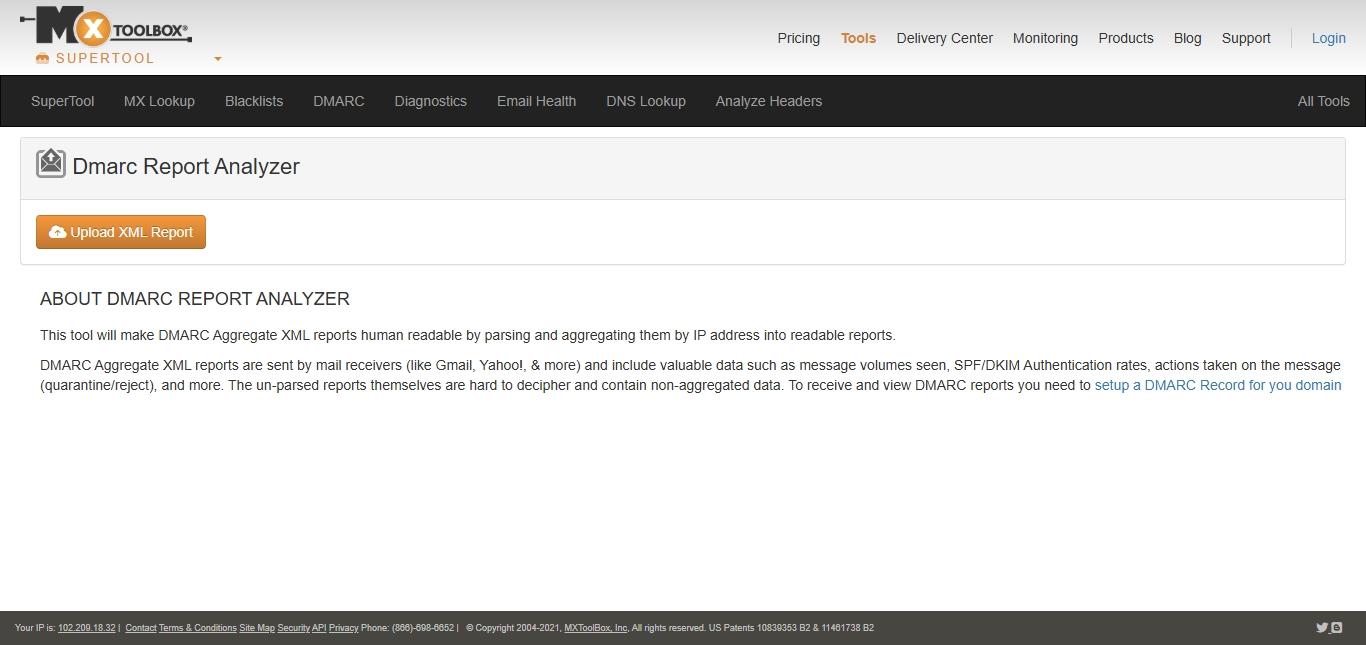
DMARC Analyzer helps teams understand whether SPF, DKIM, and DMARC are actually doing what they’re supposed to be doing. Not just whether they exist, but whether they’re aligned correctly.
This becomes especially important as teams grow. Multiple sending tools. Multiple domains. Different teams touching the email. Things drift.
DMARC Analyzer brings visibility back to something most teams only look at when something breaks.
6. Postmark Spam Check
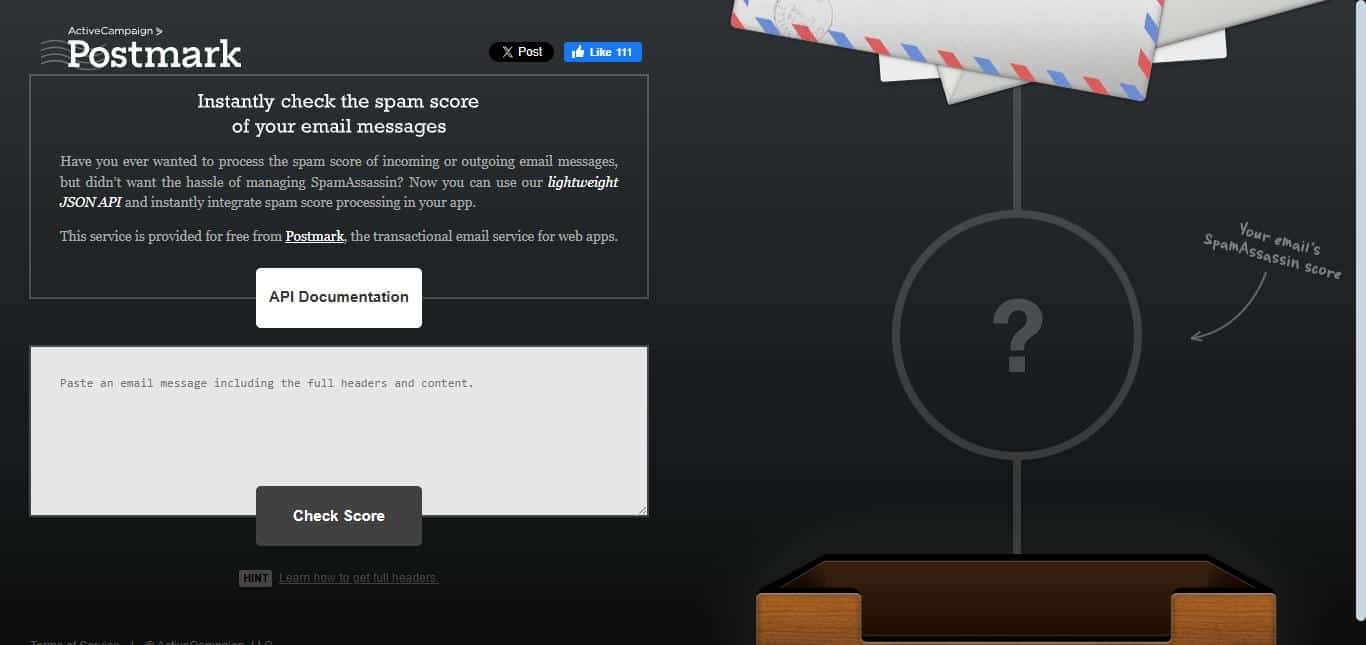
Postmark’s spam check tool is simple, and that’s why it’s useful.
It runs content through common spam filters and flags obvious issues before sending. It’s not a deep deliverability platform, and it doesn’t try to be.
Where it helps is during review cycles. Last-minute edits. Stakeholder changes. That one extra link someone insists on adding.
It’s a quick way to catch problems before they leave the building.
7. SendForensics
SendForensics takes a broader view of deliverability. It looks at infrastructure, sending behavior, and reputation together.
This makes it useful when problems don’t have a single obvious cause. When open rates drop slowly. When placement varies by provider. When nothing seems “wrong,” but performance keeps slipping.
It’s not something most teams use daily. It’s more of a diagnostic tool. But when deliverability issues become persistent and unclear, having that level of analysis saves time and guesswork.
Final Check Before Scaling Sends
Before moving into long-term strategy, it’s worth acknowledging how often small technical issues undermine otherwise solid campaigns.
Running drafts through an email content checker helps catch structural problems early, especially ones that don’t show up during copy reviews but still influence how filters evaluate intent.
What These Tools Won’t Fix?
None of these tools will save a bad strategy. They won’t make irrelevant emails interesting. They won’t fix poor targeting. They won’t compensate for sending too often, too aggressively, or without permission.
What they do is make sure infrastructure and behavior aren’t sabotaging good work behind the scenes. That distinction matters.
Why Preparation Matters More Than Optimization?
A lot of email advice focuses on optimization. Better subject lines. Smarter CTAs. Cleaner design. All of that assumes the email is seen.
Inbox placement happens before optimization ever has a chance to work. And it’s shaped by things that feel unglamorous. Setup. Patience. Monitoring. Discipline.
The teams that perform best don’t chase deliverability fixes reactively. They build systems that prevent problems from forming in the first place. That’s what these tools are really for.
The Long Game
Inbox placement isn’t something you “solve.” It’s something you maintain. Reputation is earned slowly and lost quickly. The more volume you send, the more fragile it becomes. The more tools you stack, the easier it is for small mistakes to snowball.
Using the right tools doesn’t guarantee inbox placement. But not using them almost guarantees blind spots. And in email, blind spots are usually where performance goes to die.