
Emergency communication technology has undergone a remarkable transformation in recent years. Modern alert alarms are no longer simple noise-making devices, but sophisticated systems designed to protect lives, secure assets, and provide critical information during emergencies.
Here are the must-have features that define cutting-edge alert alarm systems:
1. Adaptive Multi-Channel Notification
Modern alert alarms must do more than sound like traditional alarms. The most advanced systems create a comprehensive communication network that reaches individuals through multiple channels simultaneously. This includes mobile phone notifications, email alerts, SMS messages, desktop pop-ups, digital display boards, and wearable device notifications. These systems ensure critical information reaches the right people at the right time, maximizing response effectiveness and reducing potential risks.
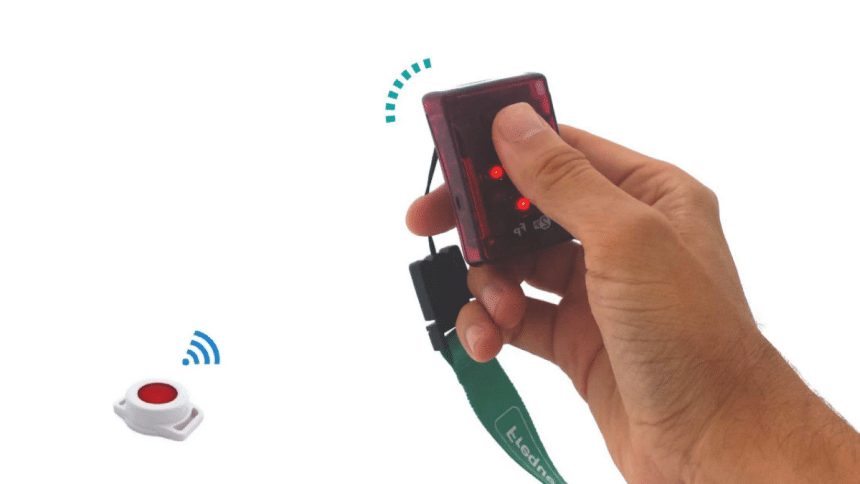
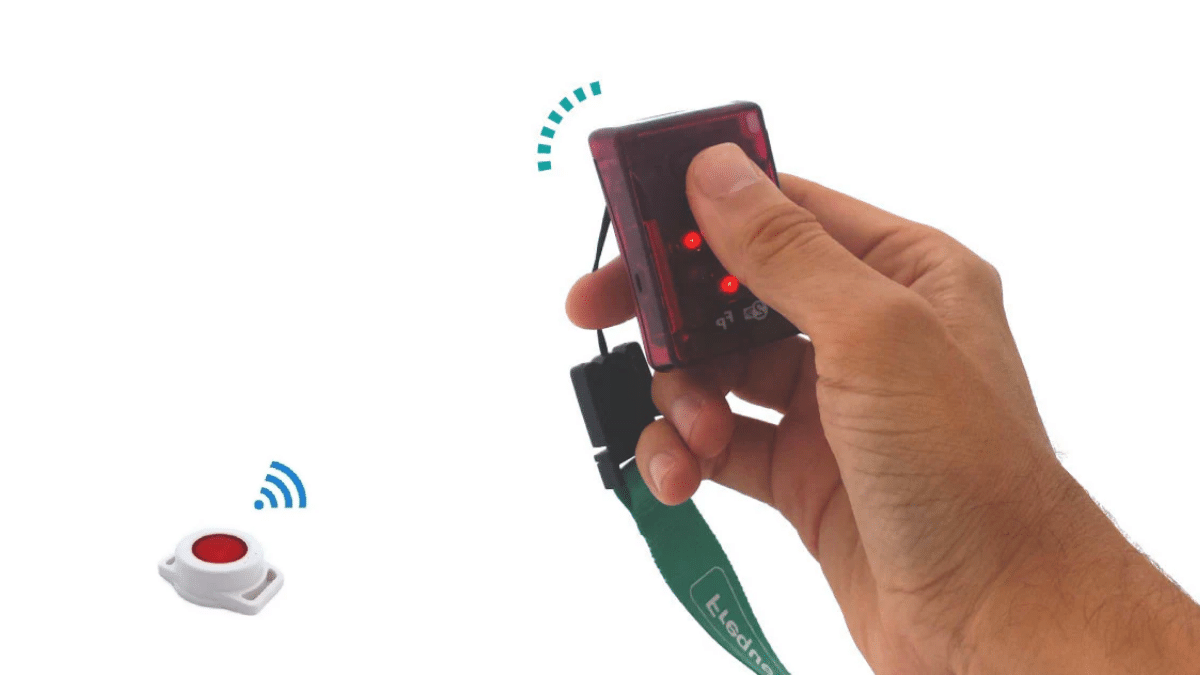
Organizations recognize that no single communication channel can guarantee universal reach. Different individuals have varying preferences and accessibility to communication technologies. For instance, beeper pagers and alarms offer an efficient and reliable way to ensure seamless communication across various settings. Offices can look at websites like frequencyprecision.com and others to learn more about this.
A construction worker might be more likely to receive an alert via a rugged mobile device while an office worker might be more responsive to email or desktop notifications. By implementing a multi-channel notification strategy, alert systems account for these diverse communication preferences.
2. Real-Time Contextual Information
Contemporary alert alarms provide rich, contextual information that transforms emergency communication from a basic alert to an intelligent reporting system. These advanced systems deliver precise location details, explain the nature of the emergency, recommend immediate actions, estimate risk levels, identify potential impact zones, and provide resolution timelines. This granular approach empowers individuals and organizations to make informed, rapid decisions during critical moments.
The power of contextual information cannot be overstated in emergency situations. Rather than creating panic through vague warnings, modern alert alarms provide a nuanced understanding of the situation. By transforming alerts from simple notifications to comprehensive information packages, these systems turn emergency communication into a strategic tool for risk management.
3. Advanced Sensor Integration
Cutting-edge alert alarms leverage a sophisticated network of sensors to create unprecedented situational awareness. These systems integrate multiple technologies, including environmental sensors for temperature variations, smoke and gas concentration monitors, motion detection systems, acoustic recognition technologies, infrared and thermal imaging interfaces, and structural integrity monitoring mechanisms.
The evolution of sensor technologies has dramatically expanded the capabilities of alert alarm systems. Modern sensors are not just binary detection tools but sophisticated data collection instruments that can provide granular insights into environmental conditions. A multi-sensor approach allows for cross-referencing and validation of potential threats.
4. Machine Learning and Predictive Analytics
Artificial intelligence has revolutionized alert alarm systems, transforming them from reactive tools to proactive safety networks. By incorporating advanced machine learning algorithms, these intelligent systems can analyze historical emergency data, predict potential risk scenarios, develop personalized alert protocols, and continuously refine notification strategies. They can identify subtle pattern changes, create probabilistic risk assessment models, and help organizations anticipate and mitigate potential emergencies before they escalate.

Machine learning transforms alert systems from passive monitoring tools to dynamic, intelligent risk management platforms. For instance, in an industrial setting, machine learning algorithms might detect subtle variations in equipment performance that precede a potential mechanical failure. In healthcare facilities, predictive models could recognize early warning signs of systemic issues based on aggregated patient and environmental data. This predictive capability shifts the paradigm from emergency response to emergency prevention.
5. Customizable Alert Configurations
Recognizing that organizations have unique needs, modern alert alarms offer unprecedented customization capabilities. These systems provide granular user permission settings, role-based alert prioritization, customizable notification thresholds, industry-specific alert protocols, language adaptations, and individual preference configurations. This flexibility ensures that alert systems can be precisely tailored to meet the specific requirements of different organizations, sectors, and operational contexts.
Customization in alert systems acknowledges the diverse and complex nature of modern organizational environments. A manufacturing plant will have dramatically different alert requirements compared to a hospital or a corporate office. Customizable configurations allow organizations to create alert protocols that align with their specific risk profiles, operational workflows, and regulatory requirements.
6. Robust Cybersecurity and Data Protection
With increasing digital interconnectivity, alert alarms must incorporate comprehensive cybersecurity measures. Essential features include end-to-end encryption protocols, multi-factor authentication, regular security patch updates, compliance with international data protection standards, secure cloud and local storage options, and advanced intrusion detection mechanisms. These security approaches protect sensitive information and maintain the integrity of critical communication systems.
In an age of increasing cyber threats, the security of alert alarm systems is paramount. These systems often handle sensitive information and operate within critical infrastructure networks, making them potential targets for malicious actors. Robust cybersecurity isn’t just about preventing unauthorized access but also ensuring the reliability and trustworthiness of the alert system itself.
Conclusion
The future of alert alarms lies in intelligent, adaptive, and comprehensive systems that transcend traditional warning mechanisms. The right system can mean the difference between a managed response and a potential catastrophe.