
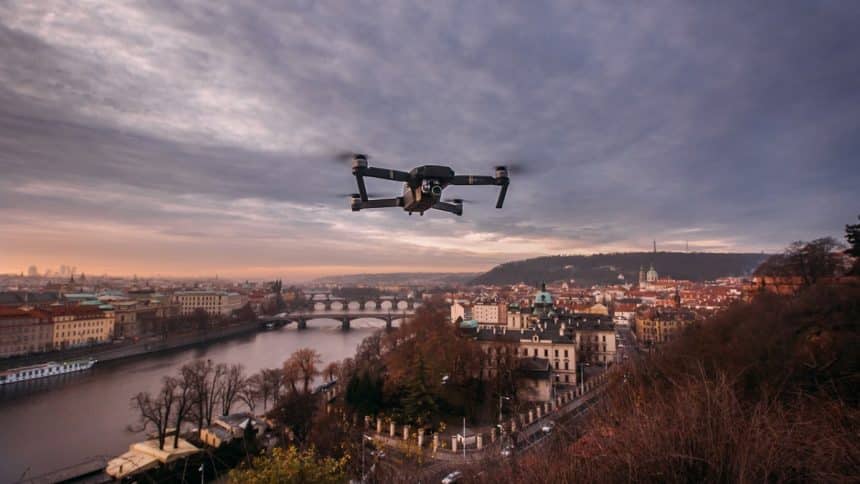
In recent years, outdoor space shaping has undergone a radical transformation. Technology has become essential in planning, building, and maintaining outdoor spaces. Designers and contractors are turning to new gadgets that make the process faster, more precise, and eco-friendly.
These tools enhance creativity and make addressing environmental concerns easier, improving efficiency and meeting client demands more effectively.
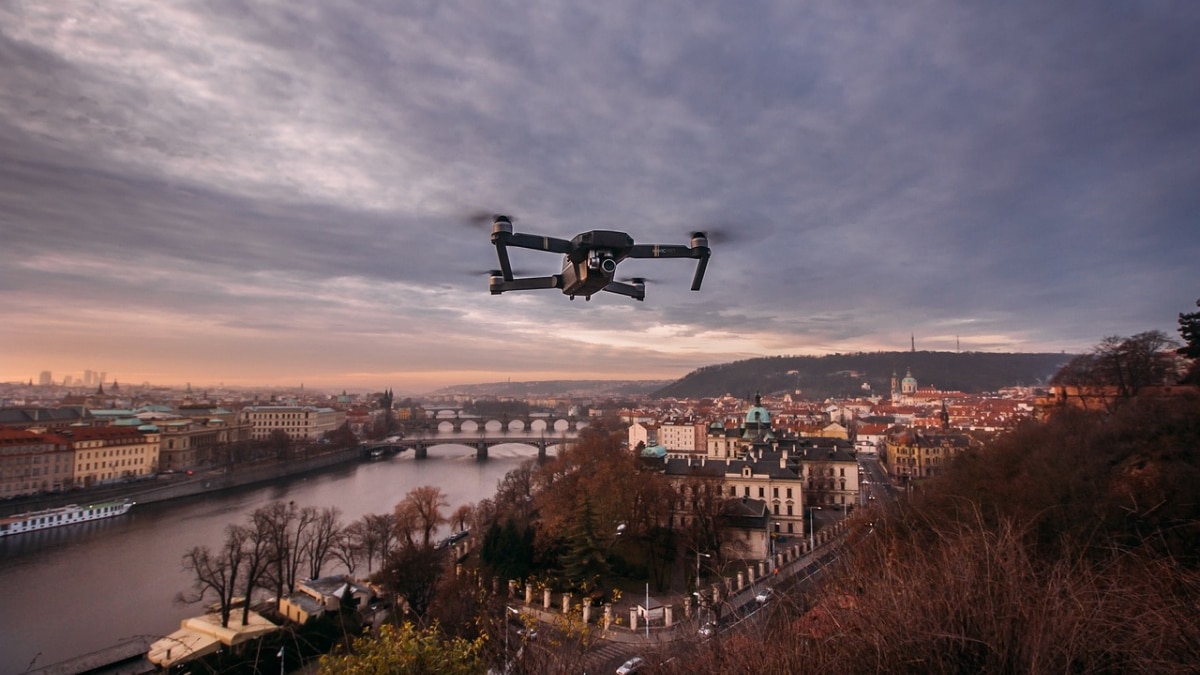
Whether you’re working on a small backyard or a sprawling estate, tech gadgets are changing the game.
The possibilities are endless, from drones that survey properties from the sky to AI-powered irrigation systems that save water. In this article, we’ll explore four essential gadgets revolutionizing landscape design in 2024 and how they impact the industry.
AR Visualization Tools
Remember when we used to flip through plant catalogs and imagine how a garden might look? Landscape designers are now pulling out their tablets and showing clients entire gardens before planting a single seed. It’s like magic, but it’s augmented reality (AR).
These AR apps are game-changers. Designers can plop virtual trees, flowers, and water features into your backyard. Want to see how that oak tree will look in 10 years? No problem. Curious about switching those roses for daisies?
It’s just a tap away. It’s like playing a high-tech game of garden dress-up, but the results are jaw-dropping. With advanced software like Dynascape landscape design, AR tools bring precision and creativity to life, allowing clients to visualize intricate designs and make real-time adjustments.
Drones for Aerial Surveying
Gone are the days of detailed ground surveys and educated guesswork. Drones have soared onto the scene, offering landscape designers a bird’ s-eye view of their canvas. These aerial marvels capture high-resolution imagery and create detailed 3D terrain models, allowing designers to accurately map out sprawling estates or intricate garden layouts.
With LiDAR sensors and multispectral cameras, modern landscaping drones can detect subtle elevation changes, identify soil types, and even assess plant health across vast areas. This wealth of data empowers designers to make informed decisions about drainage, plant selection, and hardscape placement before a single shovel hits the ground.
Smart Irrigation Systems
Water conservation is more important than ever, and landscape designers increasingly turn to smart irrigation systems to manage it effectively. Smart irrigation systems are stepping up to the challenge, using real-time data and AI to optimize water usage.
These systems connect to sensors that monitor soil moisture and automatically adjust watering schedules based on weather conditions, ensuring plants get the right amount of water – no more, no less.
Smart irrigation stands out because of the convenience of remote control through smartphone apps. Through smartphone apps, landscapers can easily manage watering systems across anything from a small garden to a large estate, making adjustments with a simple tap.
Utilizing this type of system helps conserve water and promotes healthier plants by preventing overwatering or drought stress.
Soil Sensors and Plant Health Monitors
Did you know your plants can kind of talk to you? Soil sensors and plant health monitors are like tiny spies in your garden, keeping tabs on everything happening underground.
This tech is gold for landscape designers. They’re not just guessing which plants will do well anymore. They’re matching plants to soil conditions with scientific precision. It takes much of the trial and error out of gardening, meaning happier plants and clients.