
Technology has been revolutionizing the architecture and design industry, changing both the design process and end result. From IoT (internet of things) to architectural apps, technology has taken the front seat and allowed architects to become more innovative in designing and building structures.
That said, here are some of the most exciting technologies that are shaping the architecture and design industry.
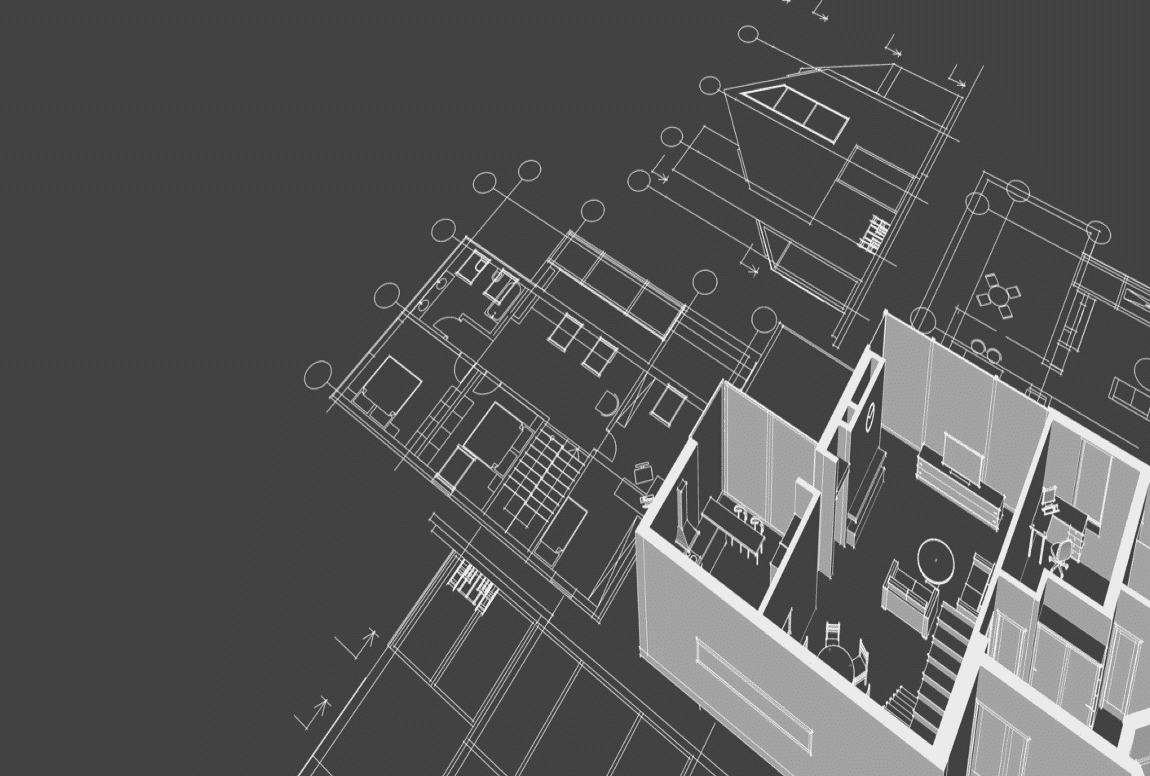
1. Realistic Design Renderings
For a long time, clients have been dependent on 2D and 3D renderings to create an architectural plan and provide a view of a structure before it’s built. Nowadays, you can shop for such plans online, with websites such as Boutique Home Plans providing a wide selection of house plans, complete with estimated cost, material list, and build reports.
However, while traditional rendering can get the job done, new technologies can offer a better overview of a building project. Technology has expanded the horizon with realistic design rendering via virtual reality (VR), augmented reality (AR), and mixed reality.
. Virtual Reality
With VR, it’s as simple as putting on a headset and immersing yourself in a digital scenario. While it’s commonly used for video games, architects and designers have started using VR for certain stages of the building process.
With this tech, project handlers and clients can explore a structure and take a closer look at minute details before the building is even complete. This gives them plenty of room to suggest alterations or changes before the project starts.
. Augmented Reality
AR can provide a greater connection between the digital and physical realms. It adds to real-life experience by overlaying digital items or a 3D model of a proposed design onto a physical space using a mobile device.
It has a wealth of construction and design uses beyond visualization too. AR can be used for design analysis, as it allows you to walk virtually through a completed model. It’s also the perfect technology for architects trying to illustrate a sense of flow through a building model.
. Mixed Reality
Mixed reality or hybrid reality merges the virtual, digital environment and real, physical environment to produce new visualizations and environments where digital and physical objects interact and coexist in real time.
With mixed reality, clients can see how a physical location can be transformed with virtual architecture modifications, and they can interact with those virtual elements in the physical space where they are.
2. Optimized Design Processes
Designing a building takes time. But with new technologies, architects can cut down the time it takes to draw and design building models.
Artificial intelligence (AI) has already started replacing much of the manual labor involved in building rendering, and it increases optimization by efficiently considering all aspects, from site conditions and weather to experiencing virtual walkways.
In addition, generative design has been gaining popularity, as it mimics nature’s evolutionary approach to design. This tech uses the power of computation to explore thousands of building design options.
Designers can input design goals and specifications, such as manufacturing methods, materials, budget, and cost, into generative design software. Then the system uses cloud computing to explore potential solutions and generate numerous design alternatives. With each iteration, the technology tests and learns what works and what doesn’t, thereby increasing efficiency while cutting down cost and manual work.
3. Convenience At Your Fingertips
Technology in architecture has taken numerous forms, and most of these ensure the efficiency of the design process. One way tech has transformed architecture is by making it more convenient for both architects/designers and clients alike.
Architects and designers now rely on architectural apps to help them serve clients better.
Touchscreen tech allows architects and designers to sketch directly into a software, which can then translate these sketches into 3D models. Meanwhile, building information modeling helps increase transparency, save time, record changes in real time, enhance details, and encourage collaboration.
Also, the increased need for cloud-based design services and products now makes it possible for everyone working on architectural projects to access the needed data at any time.
4. Better Building Models
Most architects and designers now utilize 3D printing to create physical models of buildings to showcase to clients and to work with. With a CAD program and a 3D printer, they can save time and labor in creating a physical model by hand. It’s an expensive but fast way to create physical models while allowing room for quick fixes and changes.
Also, thanks to advanced 3D printing technology, models can be customized to be printed in a wide range of colors and materials.
Takeaway
As you can see, technology in architecture and design has opened up new horizons and is heading in an exciting direction. The above innovations are just some of the technologies that are being adapted and that are transforming the architectural design industry. By changing how architects and designers work, these technologies are positively impacting society, one building at a time.